


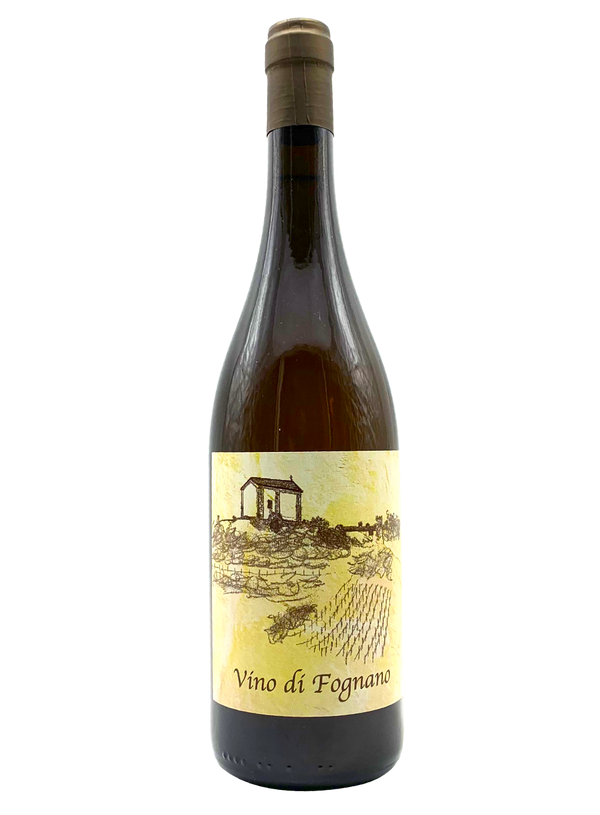

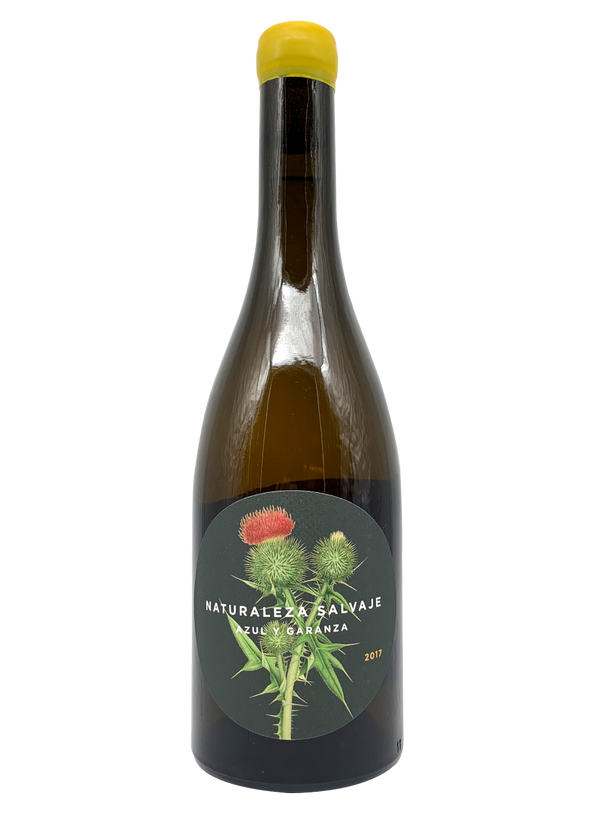
Naturaleza Salvaje (white) 2024
Azul Y Garanza
Spanish Orange on the classic side



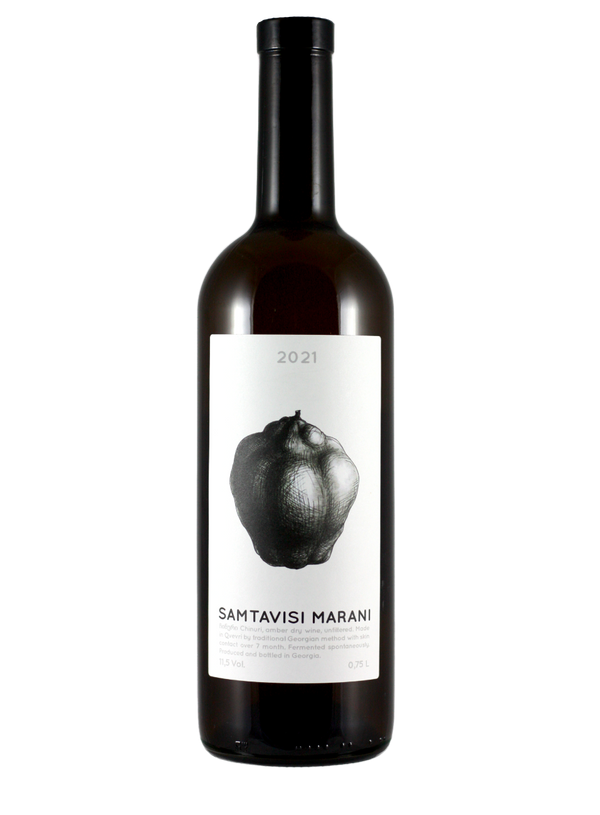


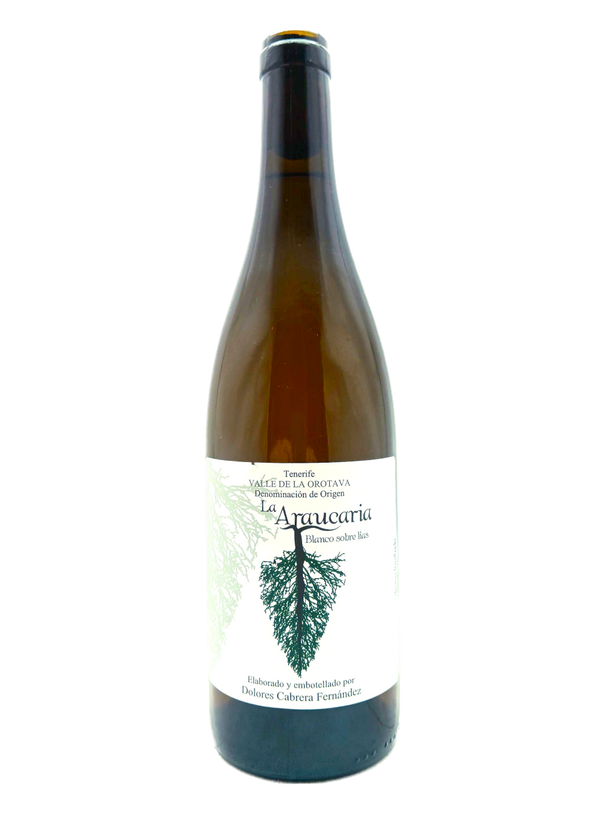

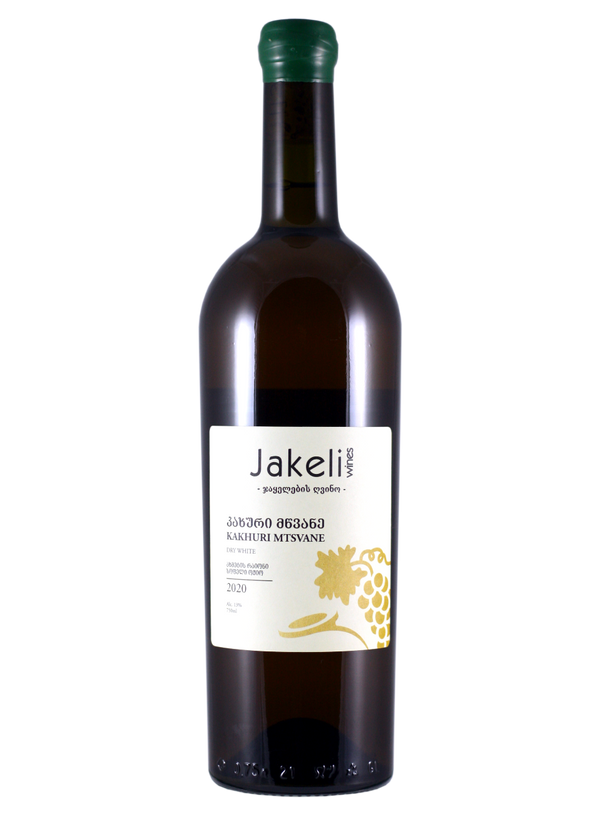

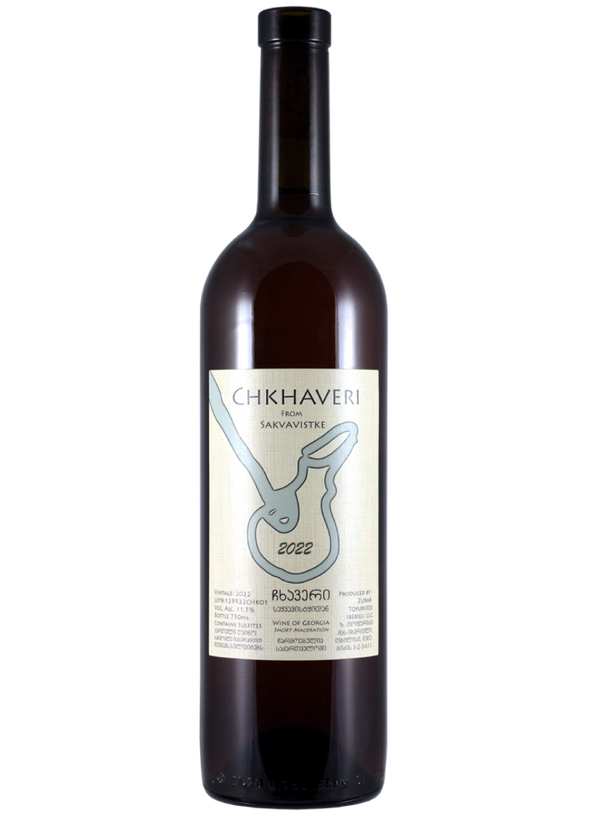





What is the actual production process of orange wine?
Orange wine starts the same way as white wine. White grapes get picked and crushed. BUT then everything changes. Instead of pressing the juice off the skins straight away, the winemaker leaves the juice sitting on the skins, seeds and sometimes the stems. This is maceration, which just means soaking. The longer the soak, the more the wine pulls flavour (and tannins) out of the skins.
Time is the big lever. Some producers macerate for a few days, others for a few weeks, and the serious ones go for months. Whilst it depends on the grape and it's skin thickness, generally a four day soak gives you a wine with a gentle copper tint and soft grip. Six months gives you something deep amber, chewy and properly tannic.
Skin thickness matters just as much as time. Thicker skinned grapes hold more tannin, more colour and more phenolic compounds, which are the chemicals that give structure and that bitter, savoury edge. That is why grapes like Ribolla Gialla, Malvasia and Pinot Grigio are favourites for serious structure and complexity. They can handle a long soak without falling apart. Thin skinned grapes get overwhelmed.
The vessel plays a part too. Clay amphorae breathe and let in tiny amounts of oxygen. Steel and old oak give a different result again. Change the time, the grape or the vessel and you change the wine completely.

Different styles of orange wine across the world
Which natural wine producers are famous for orange wines?
Shop a huge range of 1200+ natural wines - with free shipping options too!
Trust us. We've delivered 30.000+ orders to natural wine lovers! All orders are insured delivery.
Watch producer documentaries, interviews & top wine recommendations on our social channels.
Want advice? We love to help! Get in touch for personalised wine recommendations.
MOST WINE CLUBS ARE SHIT.
They give you crap wines that are often their stock not selling and have nothing to do with your wine style. We're gonna change that.
We've created a club with three tiers, that is actually curated and ideal for the type of wine drinker your are.


FAQ about Orange Wines
What are the best grapes for orange wine
This is of course up for debate, but often floral and aromatic grape vareties make for the best experience with skin-contact wines. For example, Pinot Gris, Muscat, Malvasia and Gewürztraminer are often used. Whilst often used to make sweet wines in the conventional wine world, in the natural wine scene these are often made as dry orange wines.
What is the best value or cheapest orange wine?
In our humble opinion, there is no better orange wine on the market that can beat Meinklang's Weisser Mulatschak in quality. Its one of the most affordable natural wines there is too. You can find it here on the shop or with your local dealer
Is all orange wine classed as a natural wine?
No. And this is something to be wary of. If you spot a wine marketed as an orange wine in a commerical supermarket at a very low price, it might not actually be a natural wine. Commerical wineries and large retailers have recognised the trend for orange wines, and are trying to replicate it in ways which would suit their audience and have more stability. Just because a wine is orange, does not mean it is natural. However... your first instinct should be to rejoice that it most likely is, as a style not popular in the conventional wine world, yet.
Is orange wine made from oranges
No. The term orange wine is used to simplify the difference between white wines and skin-contact wines, which have an orange colour. But in places like Georgia, they are known as Amber wines. It is sadly ironic that often skin-contact wines can have a slightly orange fruit flavour to them, to add to the confusion. But they are always made from grapes, just like most wine.
Where can I learn more about Orange Wines?
Check out the book "Amber Revolution - How the World Came to Love Orange Wine" by Simon Woolf. This is THE definitive guide to orange wines, and perhaps the ONLY book solely on the topic. Part compelling social history, part orange wine primer, Amber Revolution weaves its tale of oppression, struggle and persistence across the shifting borders of Friuli and Slovenia, to the Caucasus, Georgia and beyond. It even includes a guide to over 220 recommended producers from 25 countries, plus tips for buying, food matching and enjoying orange wines.