














Claus Preisinger Documentary: Wine Starts In The Vineyard
Widely considered to be the first Austrian winemaker to play around combining Georgian Amphorae (Qvevri) and skin-contact wine production, Claus Pr...
Read more


Wild Strawberries, Grapefruit, Pomegranate
In 1985 Austrian wine fell apart. Producers had been caught adding diethylene glycol to sweeten wine, exports collapsed, and decades of trust went in a matter of weeks. Gerhard Pittnauer was eighteen, had just inherited 3.8 hectares at Gols, and took the obvious lesson from it.
He farmed the way his father had shown him, hand harvest, spontaneous fermentation, large old wood, and then kept pushing further in the same direction until the vineyard was doing the work and the cellar was mostly staying out of the way. The full conversion to holistic farming started in 2006. In 2007 he helped found the respekt group, an association of low-intervention Austrian growers that also takes in Claus Preisinger, Judith Beck, Gut Oggau and Christian Tschida.
The 3.8 hectares of 1985 are 27 today. Gerhard and Brigitte have spent forty years quietly making the point that the careful way and the delicious way are the same way.
Wild Strawberries, Grapefruit, Pomegranate
R&B is the one to understand first, and the name is the joke: a red and white blend, St. Laurent with Chardonnay, Grüner Veltliner and Sauvignon Blanc. It should be a mess. It is one of the most reliably popular bottles on this site.
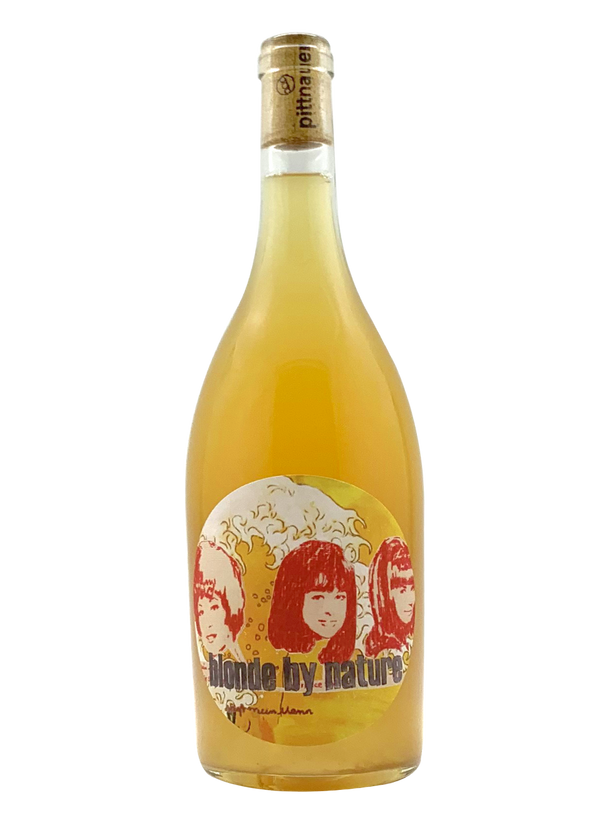
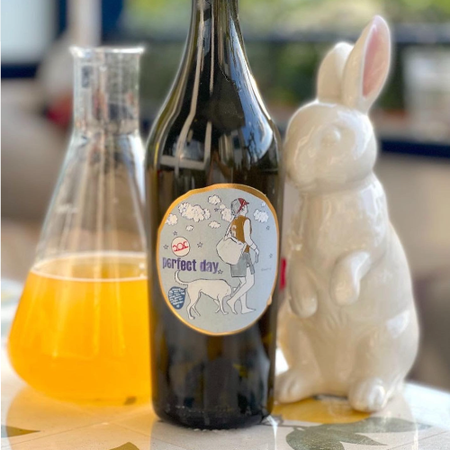
Blonde by Nature is the skin contact white, built from Grüner Veltliner, Chardonnay, Sauvignon Blanc, Pinot Blanc and Riesling with a week or two on skins across old oak and clay. It is the orange wine for people who think they do not like orange wine: textured and structured but still full of fruit. Dancing Queen works the same territory. Perfect Day is the easy white and Rosé by Nature the pink.
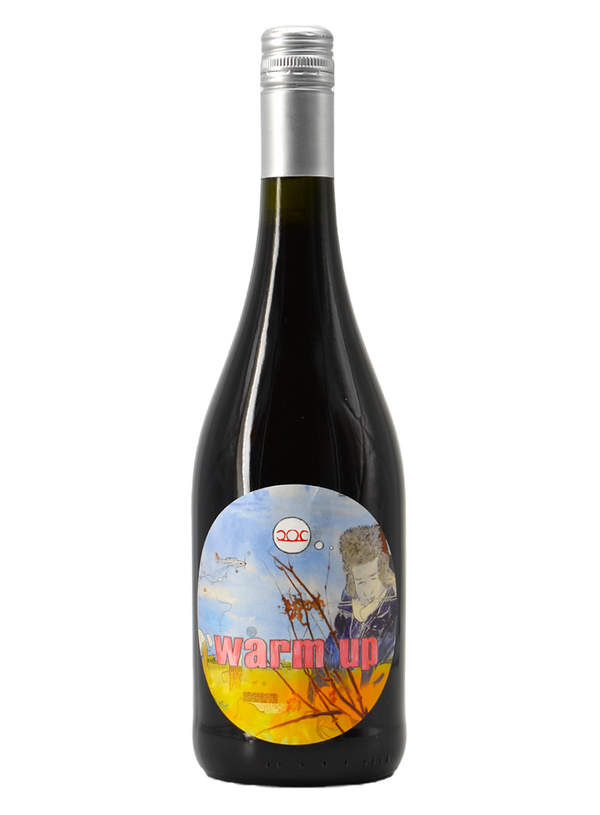
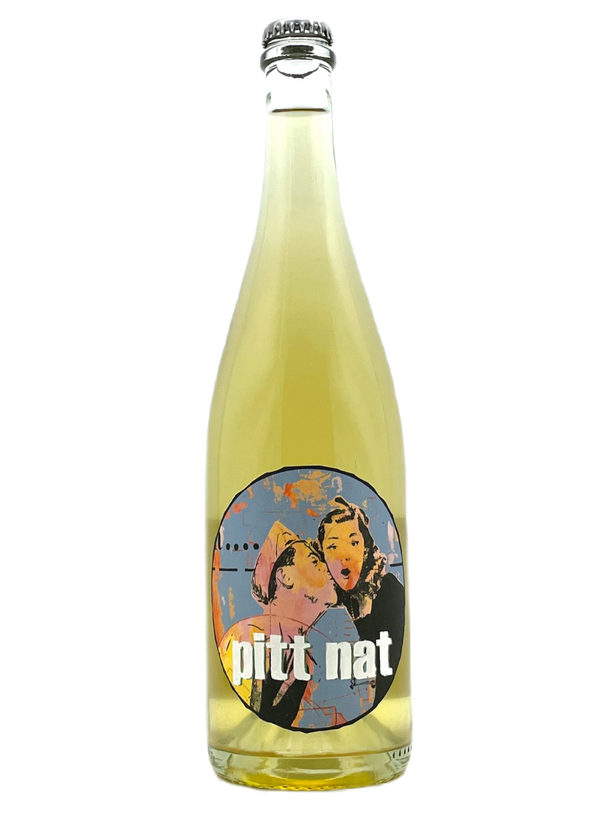
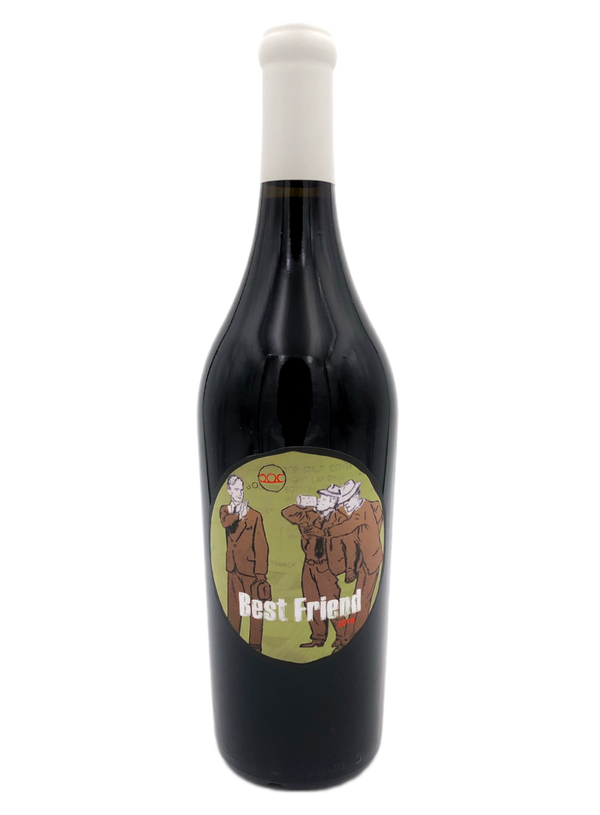
On the reds, Best Friend is the Blaufränkisch for drinking rather than thinking about, and Velvet is the serious one, Blaufränkisch with Zweigelt and Merlot. The Pitt Nat pét nats come in a white from a pile of different grapes and a rosé from Blaufränkisch, Merlot and Syrah, both under the Dogma label.
The grape Gerhard reaches for most is St. Laurent, six hectares of it, largely because it does not pile on sugar the way Pinot Noir does. That suits him. The wines stay in balance and keep their freshness instead of being pushed as far as they will go.
The conversion to holistic farming began in 2006 and the estate has been certified since shortly after, which on 27 hectares is a real commitment rather than a label. Gerhard puts it plainly: holistic is the minimum, add nothing beyond perhaps a little sulphur, take nothing out. In practice several wines get no sulphur at all.
In the cellar every fermentation is spontaneous. No temperature control. Decisions get made by tasting rather than by lab analysis. Vessels run from steel for the primary ferments through old oak, 500 litre barrels and large ovals, to clay amphora, which Gerhard uses more and more for wines he wants to age without oxygen or oak flavour getting involved.
Gols sits on the eastern side of Lake Neusiedl with a Pannonian microclimate, warm continental summers cut by the lake and by cool air off the Alps to the west. Sandy loam, gravel and limestone. It gives red wine with unusual freshness for somewhere that warm, and the Pittnauers have had four decades to work out how to leave it alone.
Shop a huge range of 1200+ natural wines - with free shipping options too!
Trust us. We've delivered 30.000+ orders to natural wine lovers! All orders are insured delivery.
Watch producer documentaries, interviews & top wine recommendations on our social channels.
Want advice? We love to help! Get in touch for personalised wine recommendations.
They give you crap wines that are often their stock not selling and have nothing to do with your wine style. We're gonna change that.
We've created a club with three tiers, that is actually curated and ideal for the type of wine drinker your are.
Gols, on the eastern shore of Lake Neusiedl in Burgenland, Austria. The same village as Judith Beck and Claus Preisinger, and close to Gut Oggau and Meinklang. They farm 27 hectares.
Pittnauer's red and white blend, and the name is the point: St. Laurent blended with Chardonnay, Grüner Veltliner and Sauvignon Blanc. Bright, juicy and one of the most popular Austrian bottles we sell.
The skin contact white. Grüner Veltliner, Chardonnay, Sauvignon Blanc, Pinot Blanc and Riesling with eight to fourteen days on skins, fermented across old oak and clay amphora. Textured and structured but still fruity, which makes it a good first orange wine.
A growers' association founded in Gols in 1994 to set a quality standard for the village. Pittnauer have been members since 1998, alongside Judith Beck, Gut Oggau and Meinklang.
Very little, and on several wines none at all. Gerhard's own rule is to add nothing beyond perhaps a small amount of sulphur. Small amounts of sulphites occur naturally in all wine as a by-product of fermentation, so no wine is ever truly sulphite-free.
R&B if you want to understand why people like them, Perfect Day if you want a white for a Tuesday, Blonde by Nature if you are curious about skin contact. The Pitt Nats are the party option.
MORE NATURAL WINE RECOMMENDS
Widely considered to be the first Austrian winemaker to play around combining Georgian Amphorae (Qvevri) and skin-contact wine production, Claus Pr...
Read moreOrange wine, often otherwise known as skin-contact wine or amber wine, is essentially a white wine that has been macerated with the skins of the g...
Read more
