















Buy Clos Lentiscus Wine


Sold out


Sold out
€29,25
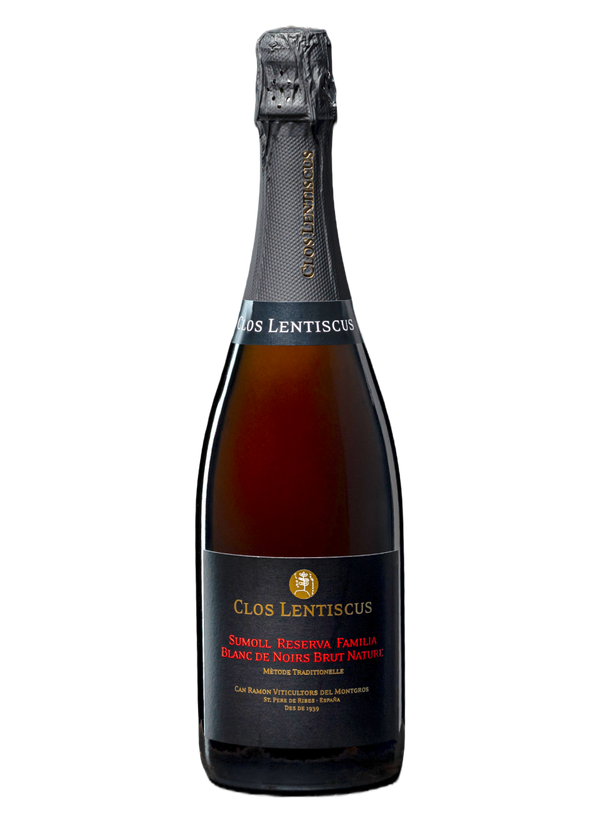
Blanc de Noirs Sumoll 2018
Clos Lentiscus
WOW! Brioche, Sultanas & Baked Apple Notes
€39,00 per litre


Sold out


Sold out
€29,25
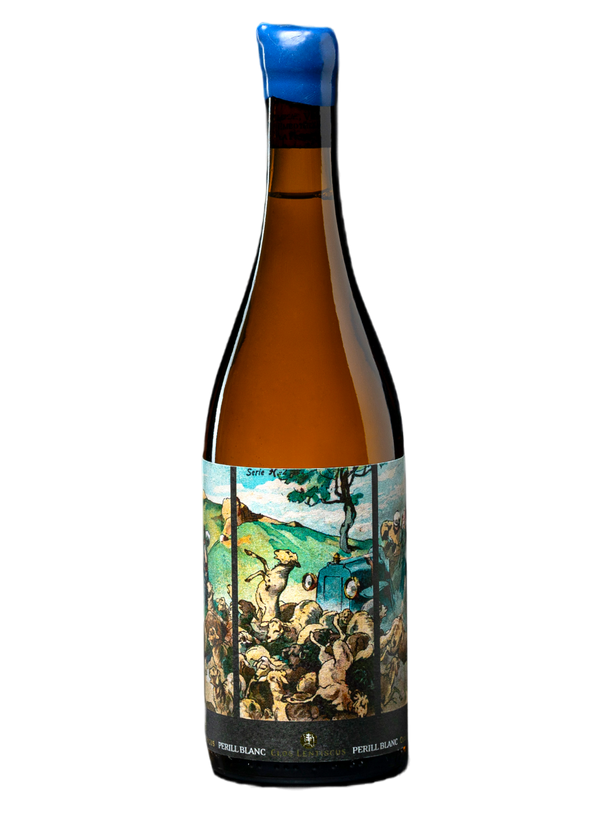
Perill de Perills Blanc
Clos Lentiscus
So good! Our Favourite Clos Lentiscus Wine!
€39,00 per litre


Sold out

Sold out
€26,75
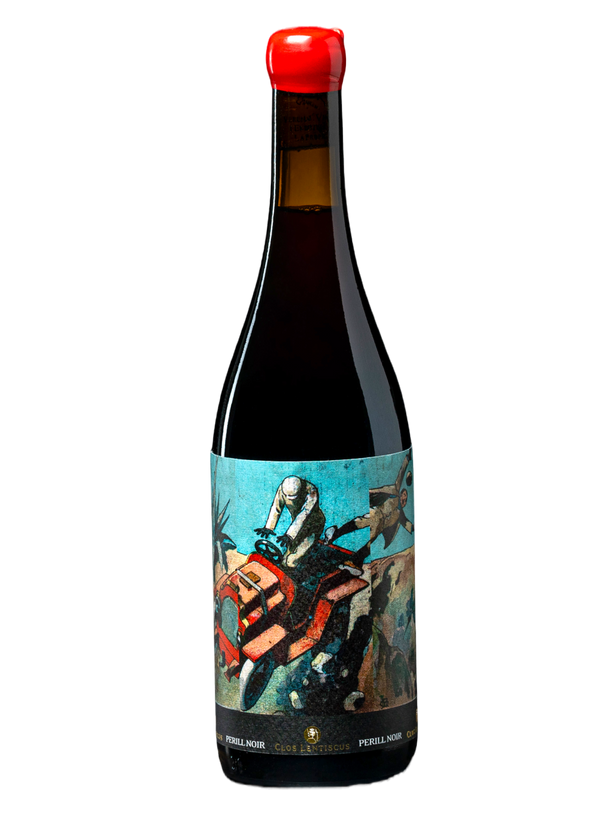
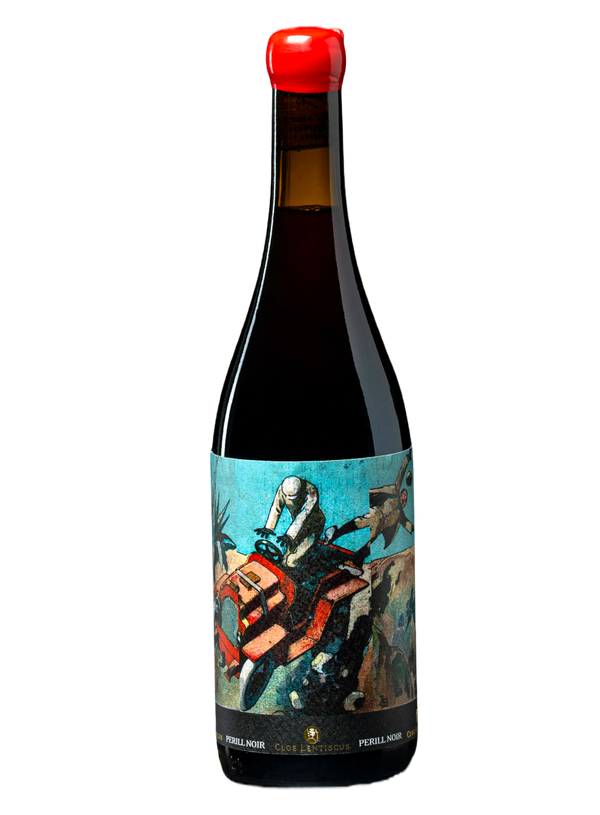
Perill Noir Carignan 2017
Clos Lentiscus
Chewy tannins. Spice. Made from old vines.
€35,67 per litre

Sold out

Sold out
Six hundred years at Can Ramon, and the decision to start again
Can Ramon sits in Sant Pere de Ribes, inside the Parc Natural del Garraf, about four miles back from the Mediterranean and roughly 220 metres up. The estate runs to around 45 hectares in total, of which some 22 are vines, the rest protected forest and scrub on the limestone massif that gives the park its name. The Aviñó family have been documented here as wine farmers since the 1300s, through a period when the estate shipped wine to southern France and the American colonies.
That run was broken. Phylloxera, the Civil War, industrialisation and decades of selling grapes to the local cooperative turned one of Catalonia’s oldest winemaking families into bystanders in their own story. The vines stayed. The wine left.
In 2001, after the death of their father, Manel and his brother Joan came back to Can Ramon and started making wine on the estate again, from the indigenous Catalan varieties that had grown there for centuries. Manel had worked at Bodegas Nadal before returning, and came back convinced that the sparkling wines Catalonia is known for could be made the hard way, with no added sugar and no added sulphur, and set out to prove it.
Núria Aviñó joined her father in the cellar as a teenager and now works alongside him as the eleventh generation on this land. The continuity is not a marketing line here, it is the reason the old parcels are still planted to the varieties they are.

Sumoll, Xarel·lo and Malvasia de Sitges: the wines of Clos Lentiscus
The grape to know first is Sumoll, an indigenous Catalan red that came close to disappearing and is still found almost nowhere outside Catalonia. Clos Lentiscus works it three ways: as a still red in the Perill Noir Sumoll, as a pét nat in the Gentlemant Sumoll, and, most unusually, as a white sparkling wine in the Blanc de Noirs Sumoll, where the dark-skinned fruit is pressed straight off to give a pale wine.
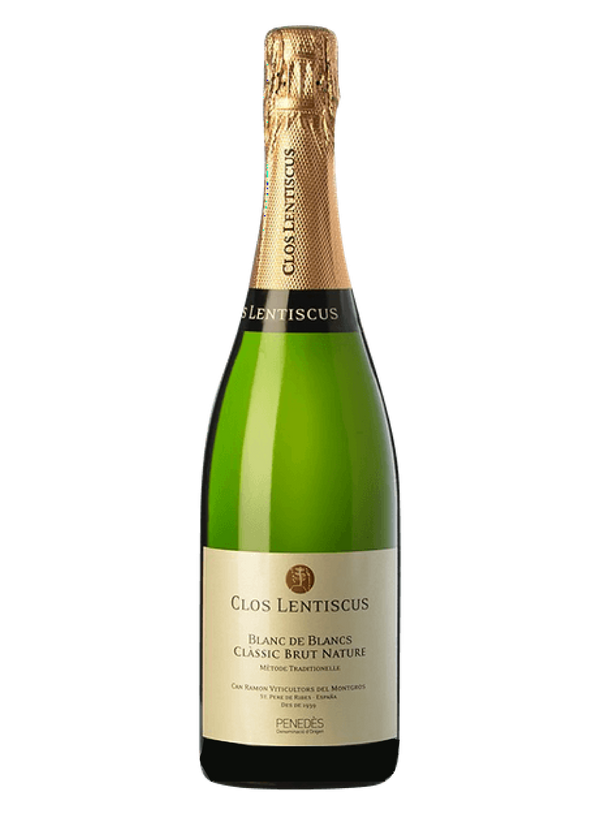
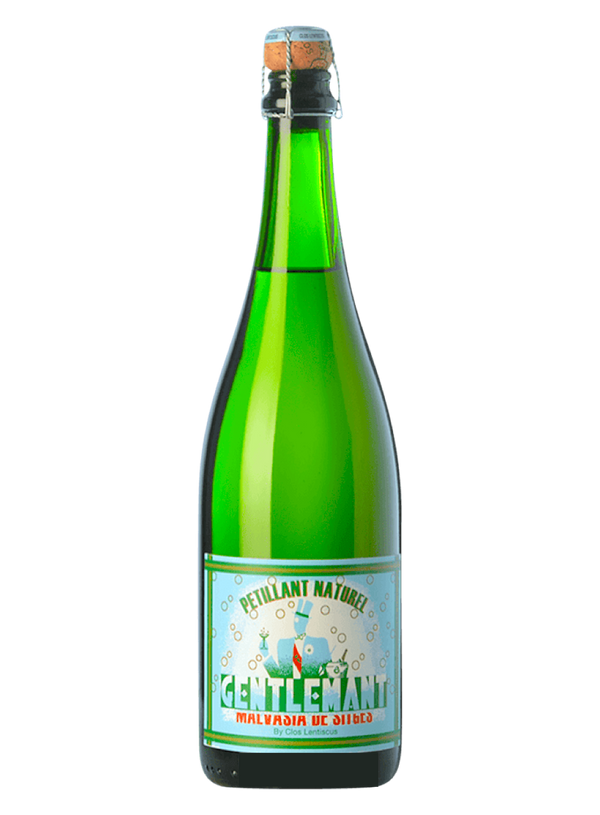
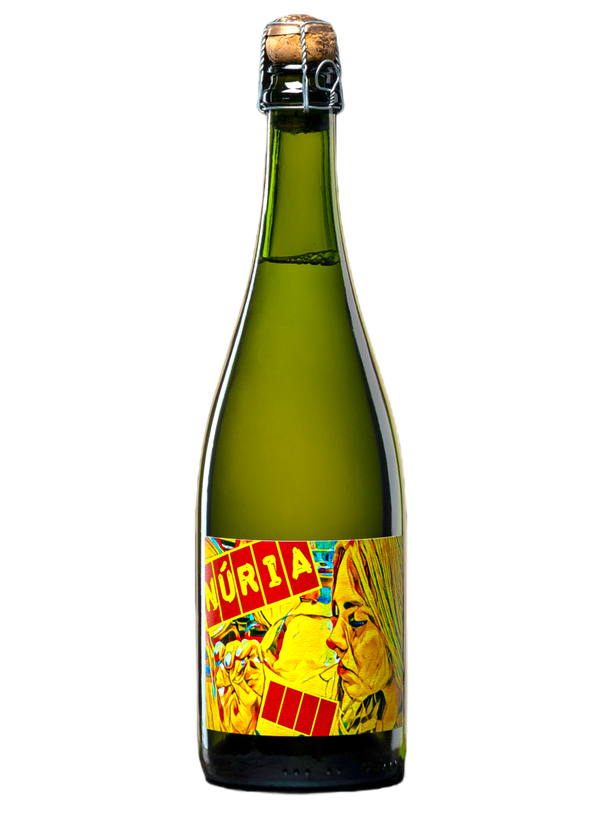
The traditional method sparkling wines are the heart of the place and the reason for Manel’s nickname. Alongside the Blanc de Noirs there is the Blanc de Blancs Malvasia from Malvasia de Sitges, a variety that barely exists beyond this stretch of coast, the Rose n41 from old Carignan, and the Nuria Muscat de Alexandria, named for his daughter. The Gentlemant Malvasia covers the pét nat side.
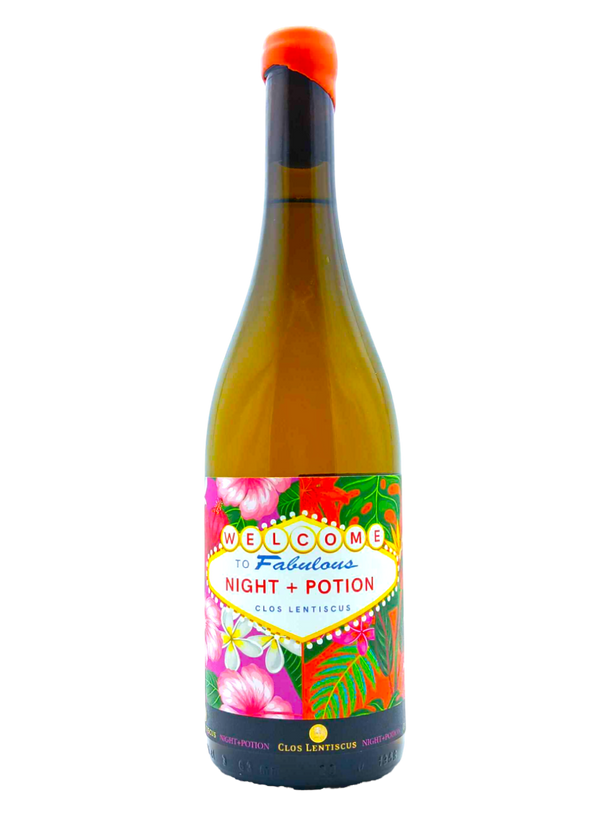
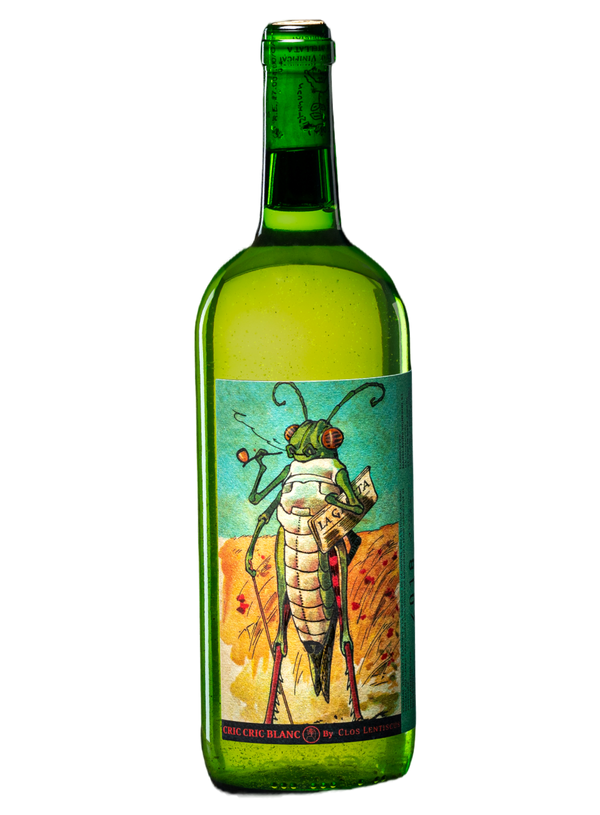
On the still wines, Xarel·lo does most of the work. Perill Blanc and Perill de Perills Blanc are the straight whites, Cric Cric the easiest way into the range, and Night + Potion the skin contact bottle, orange and savoury rather than sweet. For reds there is the Perill Noir Carignan and Wow Wow, which is Syrah.
Production is small, roughly 10,000 cases a year across about 25 different labels, so the line-up shifts from vintage to vintage. If a bottle below is out of stock it is usually gone until the next release rather than discontinued.
Holistic farming in the Garraf, and honey instead of sugar
The vines sit inside a protected natural park, which sets the terms. No pesticides, no herbicides, no synthetic inputs. The farming calendar follows the lunar cycle for planting, pruning, harvest and bottling, and the soils are the limestone and clay of the Garraf massif, which is where the saline, mineral edge in the wines comes from.
The varieties across the estate are Sumoll, Malvasia de Sitges, Xarel·lo, Cartoixà Vermell, Carignan, Tempranillo, Parellada, Muscat of Alexandria and Ull de Llebre. In the cellar it is native yeasts throughout, with old foudre, clay amphora, terracotta eggs and stainless steel used side by side depending on the wine.
The sparkling wines are where Clos Lentiscus does something nobody else does at this level. A traditional method wine needs a sugar and yeast addition at tirage to start the second fermentation in bottle. Manel uses rosemary honey from the estate’s own hives instead, fed by the wildflowers of the Garraf park. The wines finish brut nature, with no dosage, and the whole loop stays on the estate.
The range is bottled with no sulphur added, across every cuvée. That decision came out of a health problem inside the family rather than out of a marketing meeting, and it has stayed absolute since.
Shop a huge range of 1200+ natural wines - with free shipping options too!
Trust us. We've delivered 30.000+ orders to natural wine lovers! All orders are insured delivery.
Watch producer documentaries, interviews & top wine recommendations on our social channels.
Want advice? We love to help! Get in touch for personalised wine recommendations.
MOST WINE CLUBS ARE SHIT.
They give you crap wines that are often their stock not selling and have nothing to do with your wine style. We're gonna change that.
We've created a club with three tiers, that is actually curated and ideal for the type of wine drinker your are.


NATURAL WINES FROM CATALONIA
More Info & WinesFAQ about Clos Lentiscus
Where is Clos Lentiscus made?
At the Can Ramon estate in Sant Pere de Ribes, near Sitges, inside the Parc Natural del Garraf in Catalonia, Spain. The estate sits at roughly 220 metres, around four miles from the Mediterranean, with about 22 hectares of vines surrounded by protected forest. The Aviñó family have farmed it since the 14th century.
Who is Manel Aviñó, ‘The Bubble Man’?
Manel Aviñó is the tenth generation of his family at Can Ramon and the winemaker behind Clos Lentiscus. The nickname comes from his traditional method sparkling wines, which he makes with no added sugar at any stage. His daughter Núria, the eleventh generation, works alongside him.
What is Sumoll?
Sumoll is an indigenous Catalan red grape that came close to extinction in the twentieth century and is still grown almost nowhere else. Clos Lentiscus is one of the producers that kept it going. It appears as a still red in the Perill Noir Sumoll, as a pét nat in the Gentlemant Sumoll, and as a white sparkling wine in the Blanc de Noirs Sumoll.
Do Clos Lentiscus wines contain sulphites?
No sulphur is added to any Clos Lentiscus wine. Every cuvée in the range is bottled without it. Small amounts of sulphites occur naturally in all wine as a by-product of fermentation, so no wine is ever truly sulphite-free, but none is ever added here at any stage.
Why does Clos Lentiscus use honey in its sparkling wines?
A traditional method sparkling wine needs sugar and yeast added at tirage to start the second fermentation in bottle. Manel uses rosemary honey from the estate’s own beehives instead of cane sugar. The bees feed on the wildflowers of the Garraf park, so the ingredient comes off the same land as the grapes.
Are Clos Lentiscus sparkling wines Cava?
They are made by the same traditional method as Cava, in the Penedès, from the classic Catalan varieties including Xarel·lo, Parellada and Malvasia de Sitges. What separates them is the tirage, honey rather than sugar, and the fact that they finish brut nature with no dosage and no sulphur added.
Which Clos Lentiscus wine should I start with?
Cric Cric is the easiest way in, a Xarel·lo white that shows the house style without asking much of you. For the sparkling wines, start with the Blanc de Noirs Sumoll. If you want the bottle that explains why people talk about this estate, it is the Perill Noir Sumoll.
Popular Categories
Recently viewed
Articles on Catalan and natural wine

Partida Creus - Natural Wine Legends! (VIDEO)
Partida Creus is one of the most iconic names in the natural wine scene. See the video below or read for context. Set up in Catalonia in Spain by t...
Read more