













Top 10 Wine Regions of Italy and Their Most Popular Grapes
Italy has 20 wine regions and over 500 native grape varieties, more than any other country. No one masters all of it. But a handful of regions do the heavy lifting, and knowing them is the fastest way to understand Italian wine. Here are ten of the most important, and the grapes that define them.
1. Piedmont. The northwest powerhouse. Nebbiolo makes the noble, age worthy Barolo and Barbaresco. Everyday drinking comes from juicy Barbera and soft Dolcetto.
2. Sicily. The island doing some of Italy's most exciting work. Nerello Mascalese on Etna, plus Nero d'Avola, Grillo and Catarratto across the rest.
3.Tuscany. Home of Sangiovese, the grape behind Chianti, Brunello di Montalcino and the Super Tuscans. Savoury, cherry driven and food friendly.
4. Emilia-Romagna. The land of fizzy red Lambrusco and famously rich food, plus plenty of Sangiovese in the Romagna hills.
5.Veneto. Italy's most productive region. Glera makes Prosecco, while Corvina is blended into Valpolicella and the rich, dried grape Amarone.
6.Friuli-Venezia Giulia. The white and orange wine capital of Italy, up in the northeast. Friulano, Ribolla Gialla and Pinot Grigio, often given skin contact.
7. Trentino-Alto Adige. Cool, alpine and precise. Aromatic whites like Gewürztraminer and Pinot Grigio, plus the dark local red Teroldego.
8.Lombardy. Around Milan. Home to Franciacorta, Italy's top traditional method sparkling from Chardonnay and Pinot Nero, and mountain Nebbiolo in Valtellina.
9.Campania. The volcanic south around Naples. Powerful Aglianico reds and mineral whites from Fiano and Greco, all ancient grapes.
10. Puglia. The sunny heel. Rich, ripe reds from Primitivo, which is the same grape as Zinfandel, and Negroamaro.
Between them these ten cover most of what you will meet on an Italian wine list, from serious cellar bottles to easy everyday glugging.

Sicily Focus: From Mount Etna to Alcamo
Sicily is the most exciting wine region in Italy right now, and it splits neatly into two worlds. In the east rises Mount Etna, an active volcano and one of the most thrilling terroirs on earth. In the west, near Palermo, sit the sun baked hills of Alcamo. Both are natural wine strongholds.
Etna is all about altitude, black volcanic soil and old vines, some ungrafted and well over a hundred years old. The red grape is Nerello Mascalese, which gives pale, perfumed, mineral reds often compared to Burgundy or Barolo. The white is Carricante, taut and saline.
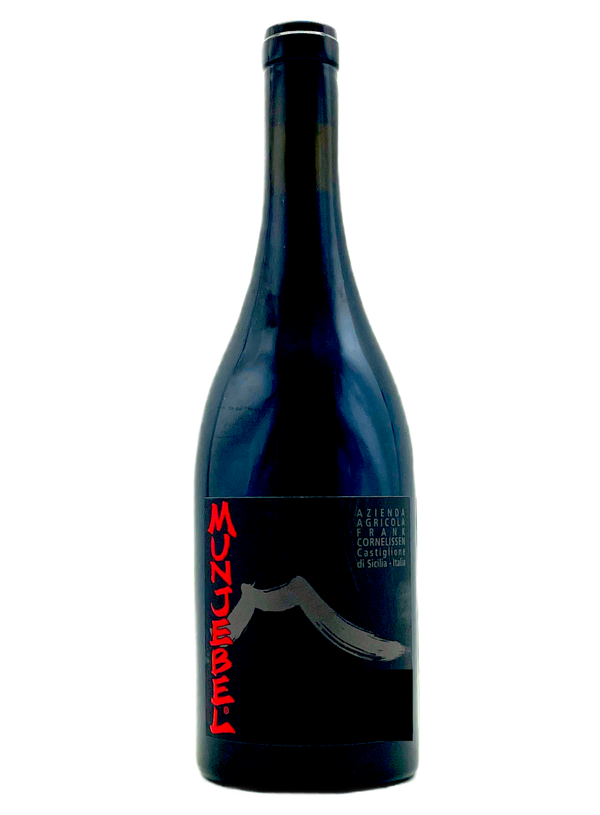
The producer who put natural Etna on the map is Frank Cornelissen. A Belgian former wine trader, he moved to the mountain in 2000 with a radical idea. Do as little as humanly possible and let the volcano speak. His wines, from the everyday Susucaru to the cult single vineyard Magma, are benchmarks of the whole natural movement, and we are proud to stock a deep range of them.
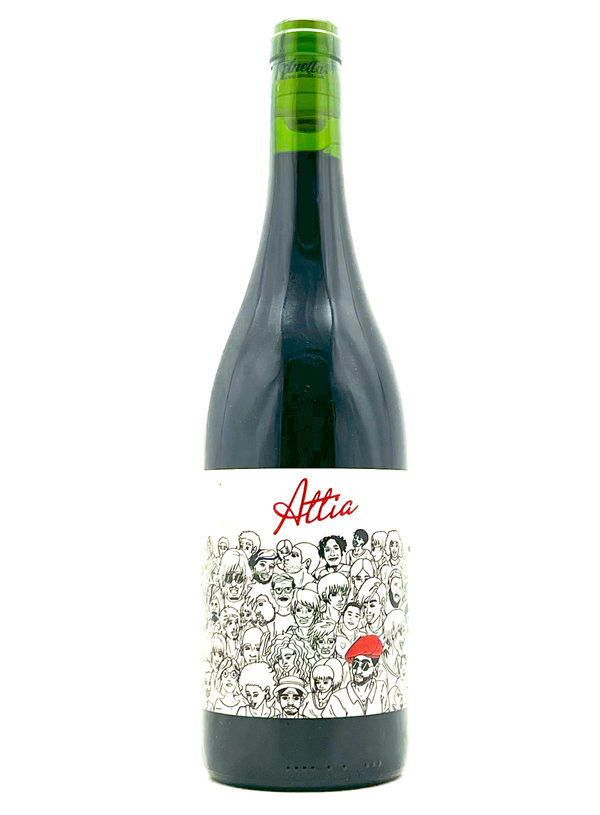
He is not alone. Etnella, run by Davide Bentivegna, who left a corporate life in Milan for the slopes, makes soulful, characterful Etna wines with the same hands off spirit.
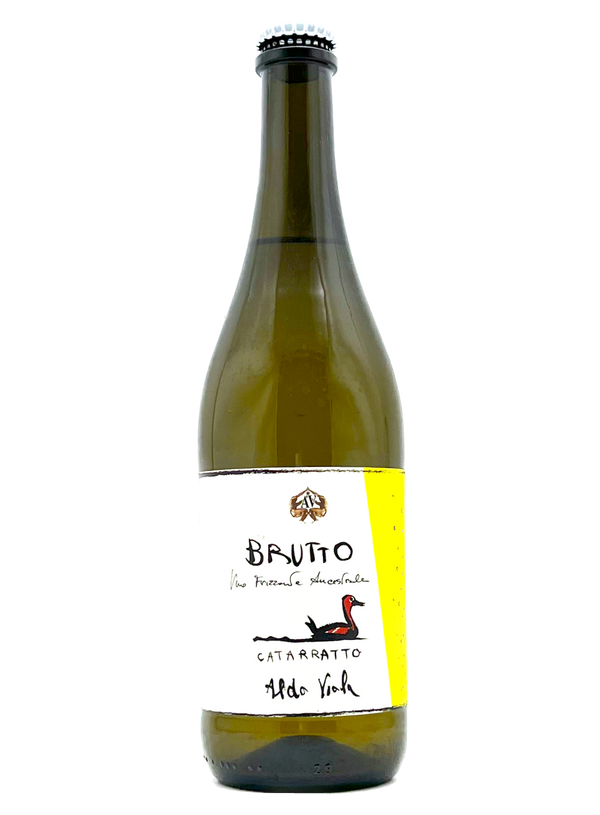
Head west to Alcamo and you meet the Viola brothers. Alessandro Viola works with Grillo, Catarratto and Nero d'Avola, making bright, stony, energetic wines. His brother Aldo Viola works separately nearby, leaning into skin contact and wilder, more textural styles. Two brothers, two paths, one very good corner of Sicily.
Franciacorta: What Is Italy's Answer to Champagne?
Franciacorta is Italy's finest traditional method sparkling wine, and its answer to Champagne. It comes from Lombardy, in the hills between Brescia and Lake Iseo, and it is made the same painstaking way as Champagne. A still base wine is bottled with a little yeast and sugar, ferments a second time inside the bottle to create the bubbles, then ages on its lees for a long time. The law demands a minimum of 18 months for the basic style, 30 for vintage and 60 for Riserva. The grapes are the classic sparkling trio. Chardonnay, Pinot Nero and Pinot Bianco. Done well, Franciacorta is fine, creamy and complex, the equal of many Champagnes at a friendlier price.
The really interesting story is the natural rebels. A small group of growers decided the Franciacorta rulebook was too rigid for the low intervention wines they wanted to make, so they walked away from the famous name altogether.
Alessandra Divella is the star. The first woman to own an estate in the area, she makes precise, mineral sparkling wines on clay and limestone, often with zero dosage and zero sulphur. Nicola Gatta is the other. He renounced the Franciacorta DOCG entirely, ages his wines on the lees by the lunar calendar for up to 60 months, and bottles them bone dry as brut nature. Both prove the region can do soul as well as polish.
Shop a huge range of 1200+ natural wines - with free shipping options too!
Trust us. We've delivered 30.000+ orders to natural wine lovers! All orders are insured delivery.
Watch producer documentaries, interviews & top wine recommendations on our social channels.
Want advice? We love to help! Get in touch for personalised wine recommendations.
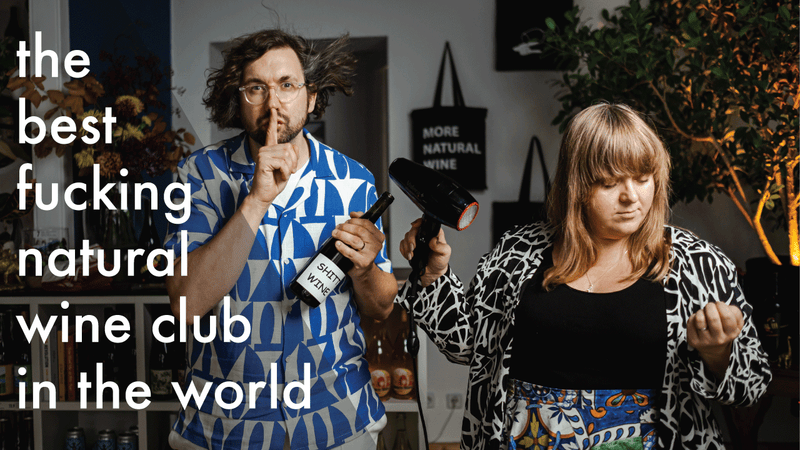
MOST WINE CLUBS ARE SHIT.
They give you crap wines that are often their stock not selling and have nothing to do with your wine style. We're gonna change that.
We've created a club with three tiers, that is actually curated and ideal for the type of wine drinker your are.

EXPLORE ITALIAN NATURAL WINE PRODUCERS


