














What is Orange Wine?
Orange wine, often otherwise known as skin-contact wine or amber wine, is essentially a white wine that has been macerated with the skins of the g...
Read more


Sepp grew up among the vines at Gamlitz, in the rolling hills of South Styria close to the Slovenian border, which is where some of Austria’s best white wine comes from. Time spent in India and Australia sharpened his interest in farming properly, and when he and Maria took on his parents’ ten hectares in 2000 the plan was simply to trust the land and stop interfering.
They had a head start. The previous generation had never put chemicals on these vines, so the transition took three years rather than a decade. The estate sits on Opok, a South Styrian speciality: compressed marl and sandstone that gives the wines a hard mineral edge and the structure to sit in bottle for a very long time.
The plots run from the valley floor up to the higher, wind-cooled Sgaminegg site, and the difference between them is the whole point. The same hands make markedly different wines depending on where the fruit sat.
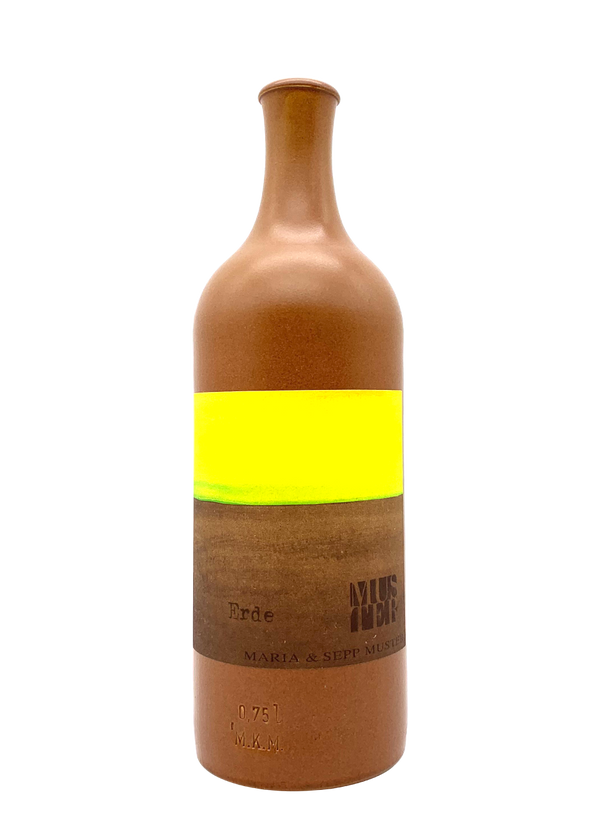
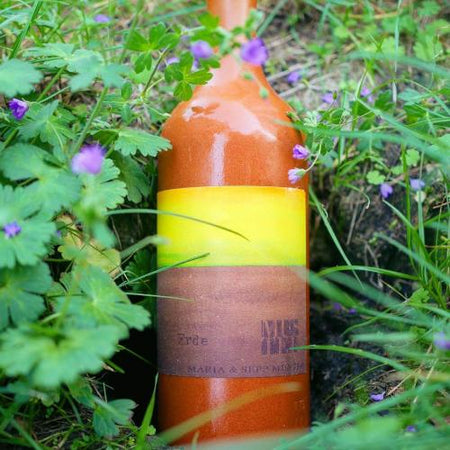
Erde means earth, and it is the flagship. Sauvignon Blanc and Morillon, which is what they call Chardonnay here, with an average of nine months on skins followed by nearly two years in old wood. Sepp started making it after meeting the skin contact wines of Josko Gravner in Friuli, and it sits comfortably with them. It moves around in the glass for a long time.
Sgaminegg takes its name from an old Slavic word for stony ground. Pure Opok at elevation, cooled by wind off the Koralpe, and also a skin contact blend of Sauvignon Blanc and Chardonnay. It is finer and more strung-out than Erde, less broad and more tense.
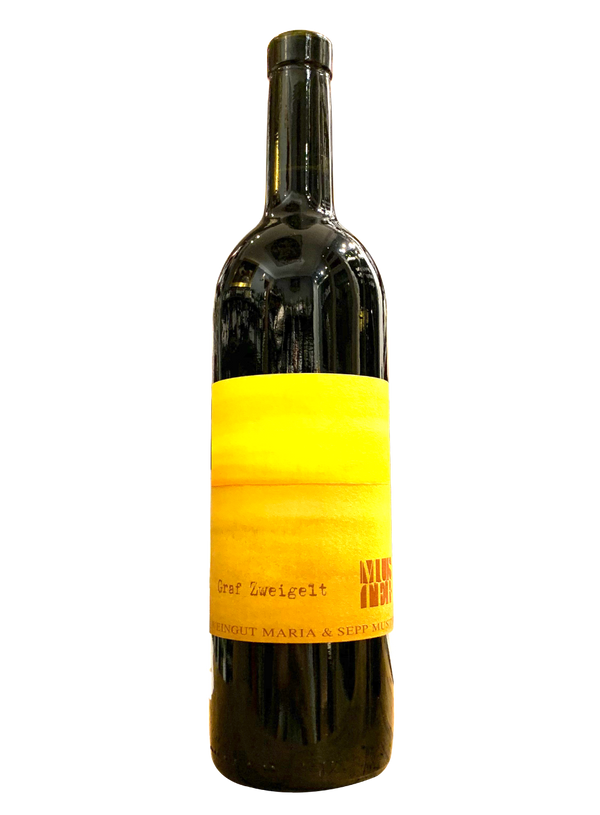
Graf Morillon and Graf Sauvignon go the other way: fermented in large 2,400 litre oval oak casks on native yeasts and aged around two years in neutral wood, no skin contact, which leaves the variety and the Opok doing all the talking. Graf Zweigelt is the red equivalent.
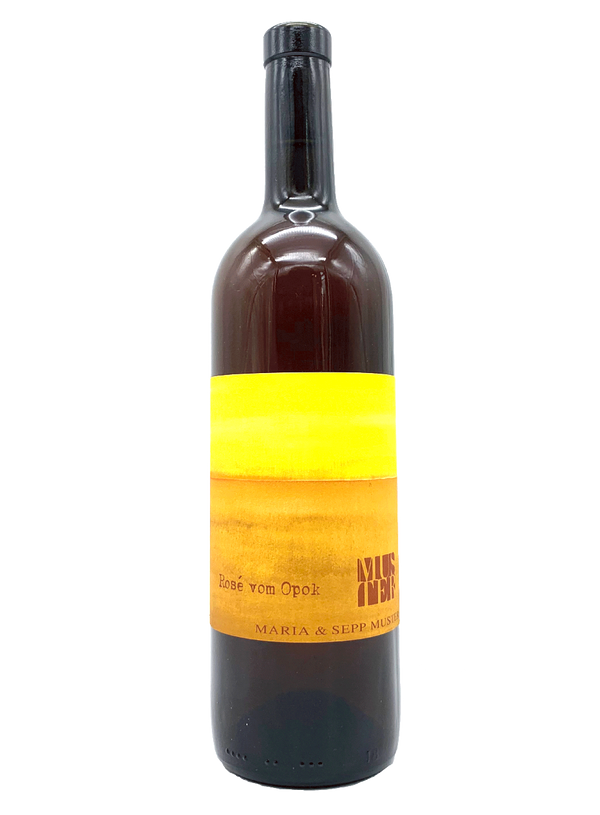
The vom Opok wines are the more immediate end of the range, in Sauvignon Blanc, Welschriesling, Gelber Muskateller and a Rosé. Keep an eye out too for Elias Muster, the next generation, whose own bottles turn up here in very small numbers.
Farmed holistically since 2000, and certified three years later because the ground was already clean. No synthetic fertiliser, no herbicide, no pesticide. The vineyards get holistic preparations and the calendar follows the lunar cycle.
In the cellar it is spontaneous fermentation on native yeasts, gentle pressing and then into vessel: large oval oak, old barrels, or clay, depending on the wine. Sepp has a particular thing for clay and will sometimes raise the same wine in both clay and wood before putting them back together. Sulphur is either zero or very small.
The Opok is what you taste. Compressed marl and sandstone, unique to this part of South Styria, and the source of the saline, stony backbone that runs through everything here. These are built to be kept, and the top wines reward it.
Shop a huge range of 1200+ natural wines - with free shipping options too!
Trust us. We've delivered 30.000+ orders to natural wine lovers! All orders are insured delivery.
Watch producer documentaries, interviews & top wine recommendations on our social channels.
Want advice? We love to help! Get in touch for personalised wine recommendations.
They give you crap wines that are often their stock not selling and have nothing to do with your wine style. We're gonna change that.
We've created a club with three tiers, that is actually curated and ideal for the type of wine drinker your are.
Gamlitz in South Styria, Austria, close to the Slovenian border. They farm around ten hectares on Opok soils and have run the estate since 2000.
A compressed marl and sandstone soil found in South Styria. It gives the wines a distinctive saline, mineral backbone and a lot of structure, which is why Muster wines reward being kept.
The flagship. A skin contact blend of Sauvignon Blanc and Morillon, the local name for Chardonnay, with around nine months on skins and nearly two years in old wood. Sepp made it after encountering Josko Gravner's wines in Friuli. It is one of Austria's great orange wines.
An old Slavic term for stony ground, and the name of the highest site on the estate. Pure Opok, cooled by wind from the Koralpe, made as a skin contact Sauvignon Blanc and Chardonnay. Finer and more tense than Erde.
Taste Life, a group of five South Styrian natural winemakers committed to wines that express a specific place. Sepp Muster is usually taken as its leading figure.
Graf Morillon if you want the pure Chardonnay and Opok without skin contact, or Sauvignon Blanc vom Opok as the easiest way in. Erde is the one to open when you want to sit with a wine for an evening.
Orange wine, often otherwise known as skin-contact wine or amber wine, is essentially a white wine that has been macerated with the skins of the g...
Read moreHOW DID MORE NATURAL WINE START? Well, we started before Covid, but it was a side project that took years to develop from idea formation to website...
Read more
