


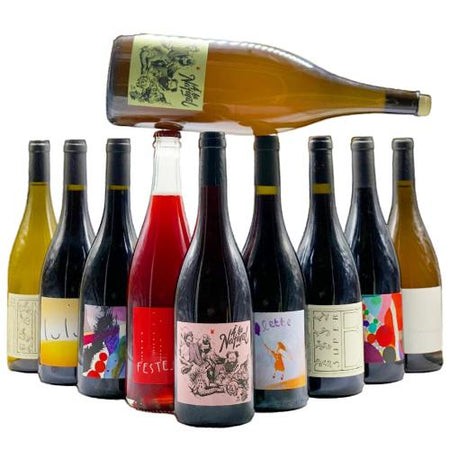
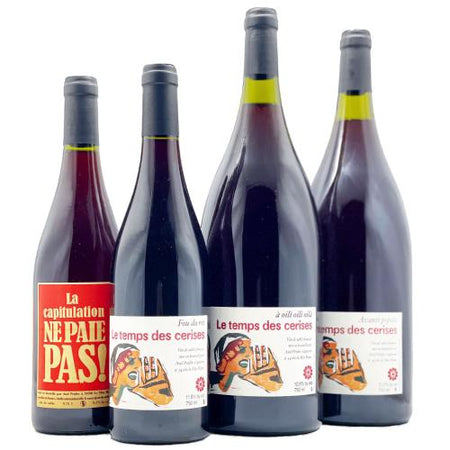
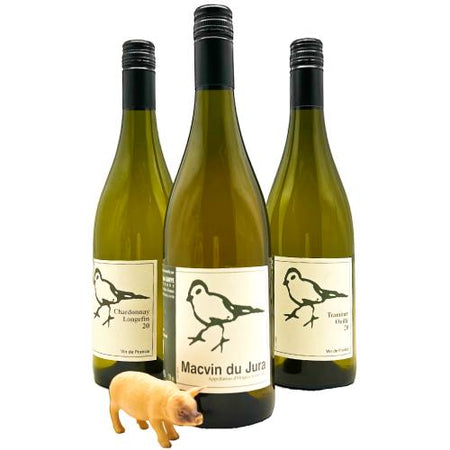
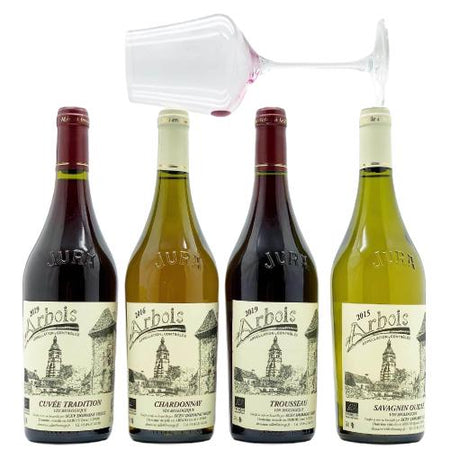
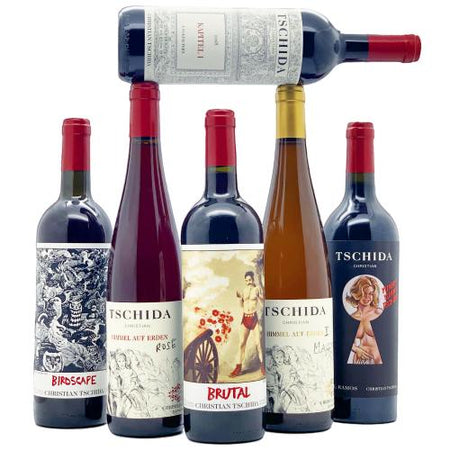




What is Natural Wine?
Table of content What is the difference between conventional wine and natural wine? What are some examples of ...
Read more
The Côte des Bar is the southern end of Champagne, in the Aube, closer to Chablis than to Reims. Justin Maillard makes his wines around Landreville, Celles-sur-Ource and Polisot, a cluster of villages that has become one of the most interesting places in the region for small growers.
The vines were his mother's. Brigitte Baroni ran the family estate before him, and Justin, a graduate in viticulture and winemaking, took it over in 2016 and renamed it By Justin Maillard.
The holding is tiny, about 2.2 hectares, planted to Pinot Noir and Chardonnay. Production runs from around 10,000 to 20,000 bottles a year depending on the vintage.


Cult Champagne. Pinot Noir + Chardonnay


Awesome Value. Awesome Wine!
Shop a huge range of 1200+ natural wines - with free shipping options too!
Trust us. We've delivered 30.000+ orders to natural wine lovers! All orders are insured delivery.
Watch producer documentaries, interviews & top wine recommendations on our social channels.
Want advice? We love to help! Get in touch for personalised wine recommendations.
They give you crap wines that are often their stock not selling and have nothing to do with your wine style. We're gonna change that.
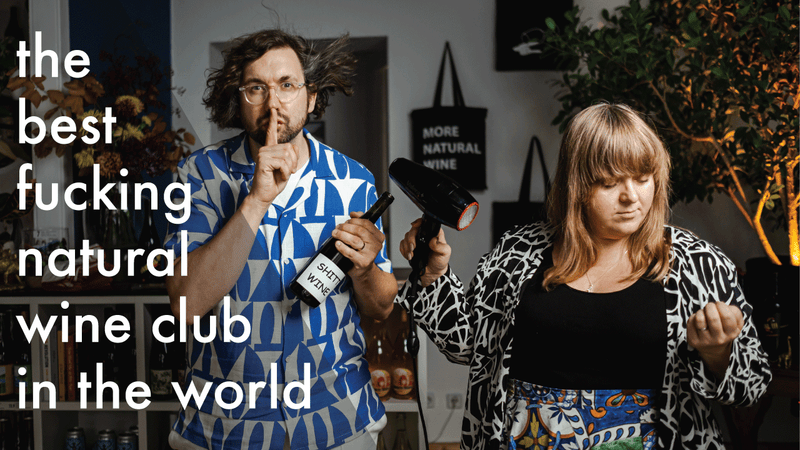
We've created a club with three tiers, that is actually curated and ideal for the type of wine drinker your are.
In the Côte des Bar, in the Aube at the southern end of Champagne, around the villages of Landreville, Celles-sur-Ource and Polisot.
He took over the family vines from his mother, Brigitte Baroni, in 2016 and renamed the estate By Justin Maillard.
About 2.2 hectares of Pinot Noir and Chardonnay, producing around 10,000 to 20,000 bottles a year.
A Blanc de Noirs, a white Champagne made from black grapes, drawn from three villages.
Brown limestone over Kimmeridgian marl full of marine fossils, the same rock that runs south into Chablis.
Without insecticides, herbicides or synthetic chemicals.
Table of content What is the difference between conventional wine and natural wine? What are some examples of ...
Read more