


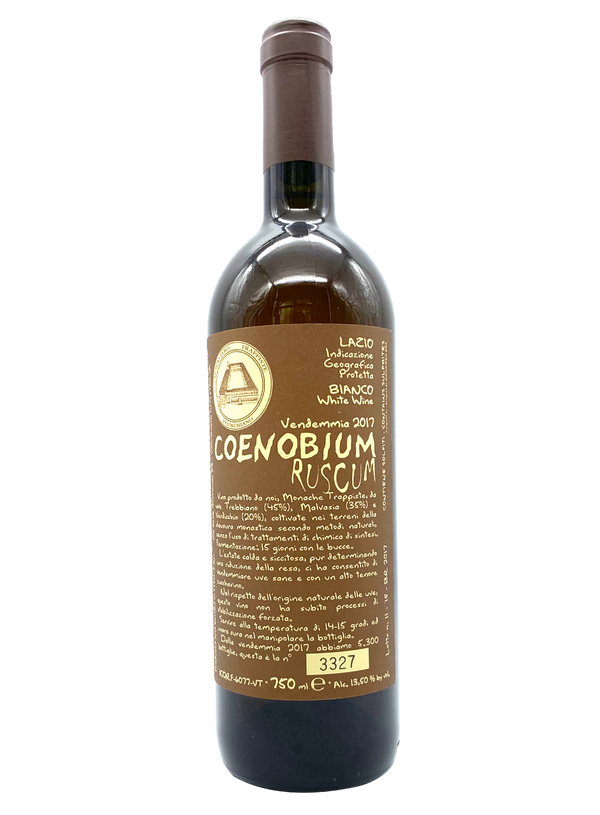
Coenobium Ruscum 2024
Monastero Trappiste Vitorchiano
Wein aus einem Kloster!


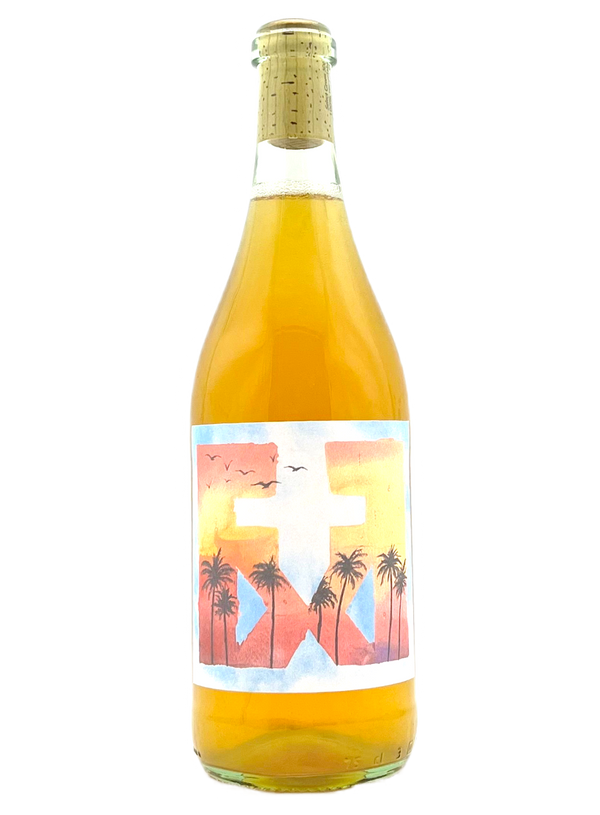

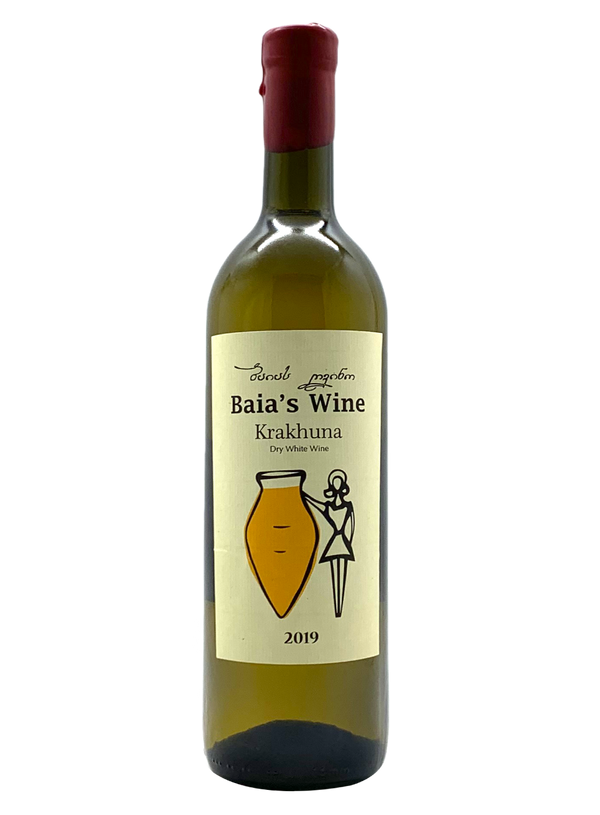


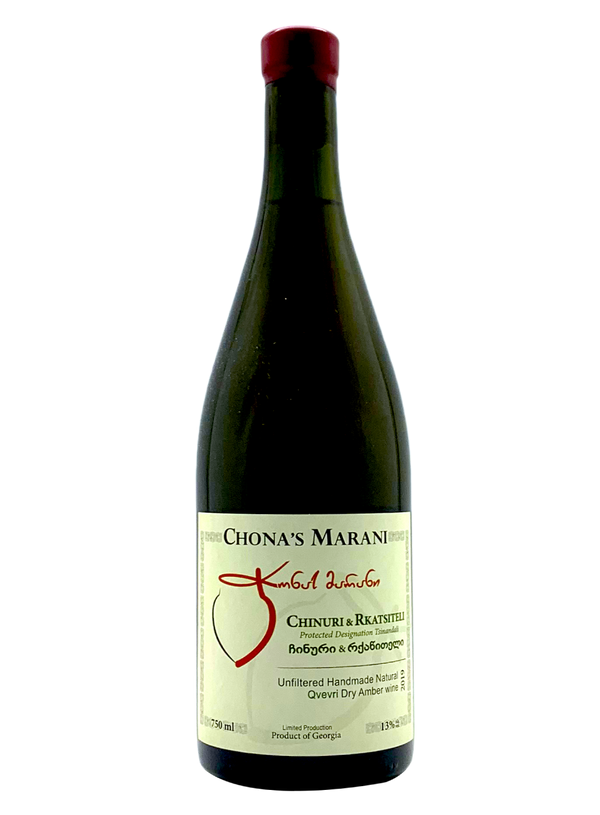











Müller Thurgau 2023 MAGNUM
Sven Enderle
GROße Flasche voll trinkfreudigem Orangenwein!


Piripi Xarello
Entre Vinyes
Leicht und mild mit einem Hauch von Orange Xarel-Lo
What is the actual production process of orange wine?
Orange wine starts the same way as white wine. White grapes get picked and crushed. BUT then everything changes. Instead of pressing the juice off the skins straight away, the winemaker leaves the juice sitting on the skins, seeds and sometimes the stems. This is maceration, which just means soaking. The longer the soak, the more the wine pulls flavour (and tannins) out of the skins.
Time is the big lever. Some producers macerate for a few days, others for a few weeks, and the serious ones go for months. Whilst it depends on the grape and it's skin thickness, generally a four day soak gives you a wine with a gentle copper tint and soft grip. Six months gives you something deep amber, chewy and properly tannic.
Skin thickness matters just as much as time. Thicker skinned grapes hold more tannin, more colour and more phenolic compounds, which are the chemicals that give structure and that bitter, savoury edge. That is why grapes like Ribolla Gialla, Malvasia and Pinot Grigio are favourites for serious structure and complexity. They can handle a long soak without falling apart. Thin skinned grapes get overwhelmed.
The vessel plays a part too. Clay amphorae breathe and let in tiny amounts of oxygen. Steel and old oak give a different result again. Change the time, the grape or the vessel and you change the wine completely.

Different styles of orange wine across the world
Orange wine is not one thing. Where it is made, and how, changes it enormously.
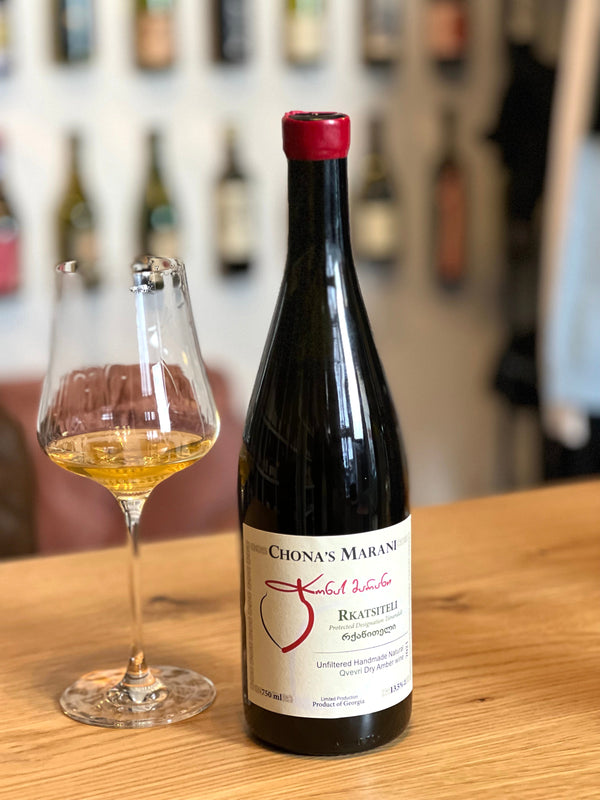
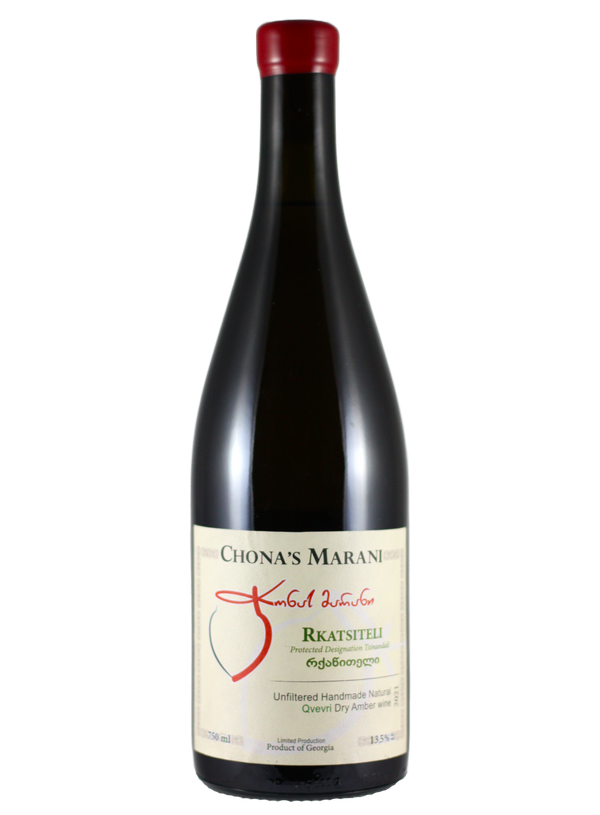
Georgia is the spiritual home of orange wine, known there as Amber wine. They have been doing this for around 8,000 years. Grapes go into a qvevri, a large clay vessel buried in the ground, often with skins, seeds and stems all together. The wine ferments and sits there for five or six months. That long contact gives Georgian orange wine its signature. High tannin, real grip, deep amber colour and a savoury, almost tea like character. These are the most structured orange wines you will find.
Friuli in northeast Italy and neighbouring Slovenia share a border and a tradition. This is the region that pushed orange wine back into the modern spotlight. The Collio and Goriška Brda hills straddle the two countries, and producers on both sides ferment whites on their skins, often in amphora. Ribolla Gialla is the star grape here.
Italy also has its own gentler version called Ramato, which means coppery. It is Pinot Grigio given a short skin soak, anything from eight hours to a couple of days. The result is pink to light copper, fresh and easy rather than heavily tannic.
Further north, Alsace and the Czech Republic lean on aromatic grapes. Gewürztraminer and Pinot Gris are the go to varieties in both. Skin contact amplifies their natural perfume, giving lychee, rose and spice with a tangy bite.Which natural wine producers are famous for orange wines?
Some producers built their whole reputation on orange wine. These are the names to know.
Radikon is the icon. Stanko Radikon, working in Friuli, dug out his grandfather's old method in 1995 and started fermenting Ribolla Gialla on its skins for a week. Since 2002 the wines have been made with no added sulphur and a minimum of three months on the skins. For many critics these are simply the best orange wines in the world. Denavolo, in Emilia Romagna, is the work of Giulio Armani. He macerates on the skins for around six months using wild yeasts. The wines are textural, complex and a benchmark for what Italian orange can be. In France, La Sorga is Antony Tortul. Energetic, expressive, no added sulphites, and one of the founders of the cult Brutal series of zero added wines. Tom Lubbe's Matassa, down in Roussillon, sits in the same world and contributes to that same Brutal family. So does Escoda Sanahuja in Catalonia, a genuine pioneer who helped found the natural wine producers' association. You do not have to spend big to drink good orange wine though. Plenty of producers make accessible versions, and Meinklang's Weisser Mulatschak is a brilliant entry point. Easy, juicy, properly orange in style and a fraction of the price of the cult bottles. It proves the style does not have to be rare or expensive to be good. It is one of our all time bestsellers for exactly that reason.
Shoppe in einer riesigen Auswahl von über 1200 Naturweinen - auch mit kostenlosem Versand!
Vertraue uns. Wir haben über 30.000 Bestellungen an Naturweinliebhaber geliefert! Alle Bestellungen werden versichert geliefert.
Schau dir auf unseren sozialen Kanälen Dokumentarfilme, Interviews und Top-Weinempfehlungen von Produzenten an.
Du brauchst einen Rat? Wir helfen gerne! Kontaktiere uns für persönliche Weinempfehlungen.
DIE MEISTEN WEINCLUBS SIND SCHEISSE.
Sie geben dir minderwertige Weine, die sich oft nicht verkaufen und nichts mit deinem Weinstil zu tun haben. Wir werden das ändern.
Wir haben einen Club mit drei Stufen geschaffen, der tatsächlich kuratiert und ideal für die Art von Weintrinker ist, die du bist.


FAQ about Orange Wines
What are the best grapes for orange wine
This is of course up for debate, but often floral and aromatic grape vareties make for the best experience with skin-contact wines. For example, Pinot Gris, Muscat, Malvasia and Gewürztraminer are often used. Whilst often used to make sweet wines in the conventional wine world, in the natural wine scene these are often made as dry orange wines.
What is the best value or cheapest orange wine?
In our humble opinion, there is no better orange wine on the market that can beat Meinklang's Weisser Mulatschak in quality. Its one of the most affordable natural wines there is too. You can find it here on the shop or with your local dealer
Is all orange wine classed as a natural wine?
No. And this is something to be wary of. If you spot a wine marketed as an orange wine in a commerical supermarket at a very low price, it might not actually be a natural wine. Commerical wineries and large retailers have recognised the trend for orange wines, and are trying to replicate it in ways which would suit their audience and have more stability. Just because a wine is orange, does not mean it is natural. However... your first instinct should be to rejoice that it most likely is, as a style not popular in the conventional wine world, yet.
Is orange wine made from oranges
No. The term orange wine is used to simplify the difference between white wines and skin-contact wines, which have an orange colour. But in places like Georgia, they are known as Amber wines. It is sadly ironic that often skin-contact wines can have a slightly orange fruit flavour to them, to add to the confusion. But they are always made from grapes, just like most wine.
Where can I learn more about Orange Wines?
Check out the book "Amber Revolution - How the World Came to Love Orange Wine" by Simon Woolf. This is THE definitive guide to orange wines, and perhaps the ONLY book solely on the topic. Part compelling social history, part orange wine primer, Amber Revolution weaves its tale of oppression, struggle and persistence across the shifting borders of Friuli and Slovenia, to the Caucasus, Georgia and beyond. It even includes a guide to over 220 recommended producers from 25 countries, plus tips for buying, food matching and enjoying orange wines.