




Müller Thurgau 2023 MAGNUM
Sven Enderle
¡Botella GRANDE de naranja para beber a gusto!


Edmund 2023 (One Per Order)
Gut Oggau
¡RARA! Viñas silvestres y producción limitada

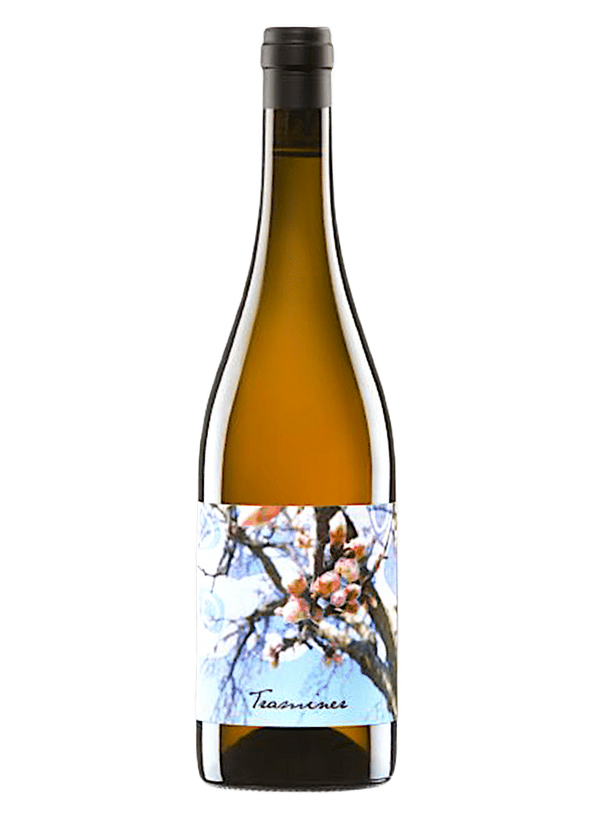


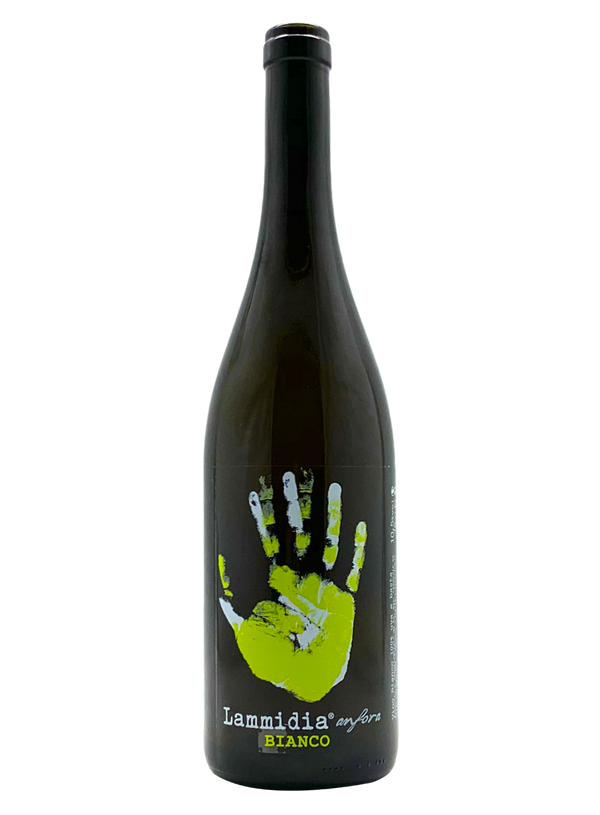

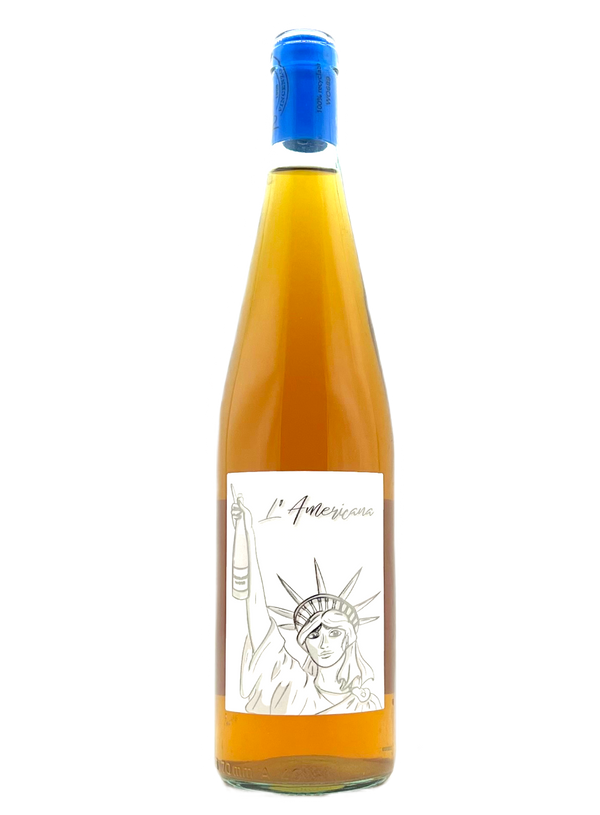


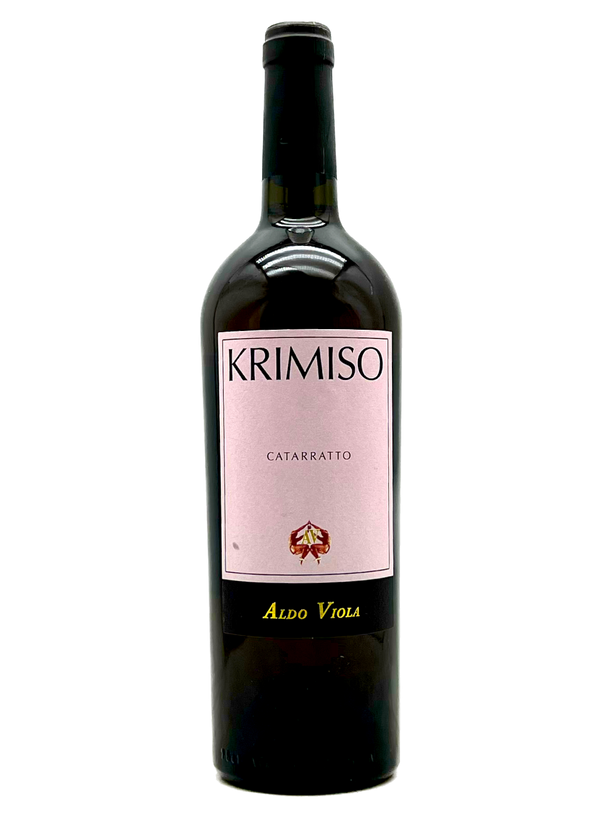
Three Views of a Secret 2023
Patrice Béguet
Orange Alsace Gewürz elaborado en Jura


Orange was the colour of her dress 2023
Domaine Hughes Beguet
Fruta de domaine, Savagnin macerado


Go Together Orange 2023
Patrice Béguet
Grenache Blanc, Vermentino, ¡Viognier Orange!

¿Cuál es el proceso real de producción del orange wine?
El Orange wine comienza de la misma manera que el White wine. Se recogen y trituran las uvas blancas. PERO luego todo cambia. En lugar de prensar el jugo fuera de las Skin inmediatamente, el enólogo deja el jugo reposando sobre las Skin, semillas y a veces los tallos. Esto es maceración, que simplemente significa remojo. Cuanto más largo es el remojo, más el vino extrae sabor (y taninos) de las Skin.
El tiempo es la gran palanca. Algunos productores maceran por unos días, otros por unas semanas, y los más serios lo hacen por meses. Aunque depende de la uva y del grosor de su Skin, generalmente un remojo de cuatro días te da un vino con un suave tono cobre y un agarre suave. Seis meses te dan algo de un ámbar profundo, masticable y con taninos bien marcados.
El grosor de la Skin importa tanto como el tiempo. Las uvas con Skin más gruesa contienen más tanino, más color y más compuestos fenólicos, que son los químicos que dan estructura y ese borde amargo y sabroso. Por eso uvas como Ribolla Gialla, Malvasia y Pinot Grigio son favoritas para una estructura y complejidad serias. Pueden soportar un remojo largo sin deshacerse. Las uvas con Skin fina se ven abrumadas.
El recipiente también juega un papel. Las ánforas de barro respiran y dejan entrar pequeñas cantidades de oxígeno. El acero y la madera vieja dan un resultado diferente. Cambia el tiempo, la uva o el recipiente y cambias el vino por completo.

Diferentes estilos de orange wine alrededor del mundo
El orange wine no es una sola cosa. Dónde se produce y cómo se hace lo cambia enormemente.
Georgia es el hogar espiritual del orange wine, conocido allí como Amber wine. Lo han estado haciendo durante unos 8,000 años. Las uvas se colocan en un qvevri, un gran recipiente de barro enterrado en el suelo, a menudo con pieles, semillas y tallos juntos. El vino fermenta y permanece allí durante cinco o seis meses. Ese contacto prolongado le da al orange wine georgiano su sello distintivo. Alto en taninos, con verdadero agarre, color ámbar profundo y un carácter sabroso, casi como el té. Estos son los orange wines más estructurados que encontrarás.
Friuli, en el noreste de Italia, y la vecina Eslovenia comparten una frontera y una tradición. Esta es la región que devolvió el orange wine al centro de atención moderna. Las colinas de Collio y Goriška Brda se extienden por ambos países, y los productores de ambos lados fermentan los blancos con sus pieles, a menudo en ánforas. Ribolla Gialla es la uva estrella aquí.
Italia también tiene su propia versión más suave llamada Ramato, que significa cobrizo. Es Pinot Grigio con un breve contacto con las pieles, desde ocho horas hasta un par de días. El resultado es de rosa a cobre claro, fresco y fácil, en lugar de muy tánico.
Más al norte, Alsacia y la República Checa se apoyan en uvas aromáticas. Gewürztraminer y Pinot Gris son las variedades preferidas en ambos lugares. El contacto con las pieles amplifica su perfume natural, dando lichi, rosa y especias con un toque ácido.¿Qué productores de vino natural son famosos por sus vinos naranjas?
Algunos productores han construido toda su reputación en el orange wine. Estos son los nombres que debes conocer.
Radikon es el ícono. Stanko Radikon, trabajando en Friuli, rescató el antiguo método de su abuelo en 1995 y comenzó a fermentar Ribolla Gialla con sus pieles durante una semana. Desde 2002, los vinos se elaboran sin azufre añadido y con un mínimo de tres meses en contacto con las pieles. Para muchos críticos, estos son simplemente los mejores orange wines del mundo. Denavolo, en Emilia Romagna, es obra de Giulio Armani. Macera con las pieles durante unos seis meses usando levaduras salvajes. Los vinos son texturales, complejos y un referente de lo que el orange wine italiano puede ser. En Francia, La Sorga es Antony Tortul. Enérgico, expresivo, sin sulfitos añadidos, y uno de los fundadores de la serie de culto Brutal de vinos sin aditivos. Matassa de Tom Lubbe, en Roussillon, pertenece a ese mismo mundo y contribuye a esa misma familia Brutal. Lo mismo ocurre con Escoda Sanahuja en Cataluña, una verdadera pionera que ayudó a fundar la asociación de productores de vino natural. Sin embargo, no tienes que gastar mucho para beber buen orange wine. Muchos productores hacen versiones accesibles, y Weisser Mulatschak de Meinklang es un punto de entrada brillante. Fácil, jugoso, auténticamente orange en estilo y a una fracción del precio de las botellas de culto. Demuestra que el estilo no tiene que ser raro o caro para ser bueno. Es uno de nuestros más vendidos de todos los tiempos por esa misma razón.
Compra una gran variedad de más de 1200 vinos naturales, ¡con opciones de envío gratuito también!
Confía en nosotros. ¡Hemos entregado más de 30.000 pedidos a amantes del vino natural! Todos los pedidos tienen entrega asegurada.
Mira documentales de productores, entrevistas y las mejores recomendaciones de vino en nuestras redes sociales.
¿Quieres consejo? ¡Nos encanta ayudar! Contacta con nosotros para recomendaciones personalizadas de vino.
LA MAYORÍA DE LOS CLUBES DE VINO SON UNA MIERDA.
Te dan vinos mediocres que a menudo son su stock que no se vende y no tienen nada que ver con tu estilo de vino. Vamos a cambiar eso.
Hemos creado un club con tres niveles, que está realmente curado e ideal para el tipo de bebedor de vino que eres.


Preguntas frecuentes sobre los vinos Orange
¿Cuáles son las mejores uvas para el orange wine?
Esto, por supuesto, está abierto a debate, pero a menudo las variedades de uvas florales y aromáticas ofrecen la mejor experiencia con vinos de contacto con piel. Por ejemplo, Pinot Gris, Muscat, Malvasia y Gewürztraminer se usan con frecuencia. Aunque en el mundo del vino convencional suelen usarse para hacer vinos dulces, en la escena del vino natural a menudo se elaboran como orange wines secos.
¿Cuál es el orange wine con mejor relación calidad-precio o el más barato?
En nuestra humilde opinión, no hay mejor orange wine en el mercado que pueda superar en calidad al Weisser Mulatschak de Meinklang. También es uno de los vinos naturales más asequibles que existen. Puedes encontrarlo aquí en la tienda o con tu distribuidor local.
¿Todo orange wine se considera un vino natural?
No. Y esto es algo a tener en cuenta. Si ves un vino comercializado como orange wine en un supermercado a un precio muy bajo, puede que no sea realmente un vino natural. Las bodegas comerciales y los grandes minoristas han reconocido la tendencia del orange wine y están tratando de replicarla de formas que se adapten a su público y tengan más estabilidad. Que un vino sea orange no significa que sea natural. Sin embargo... tu primer instinto debería ser alegrarte, ya que probablemente sí lo sea, siendo un estilo aún poco popular en el mundo del vino convencional.
¿El orange wine se hace con naranjas?
No. El término orange wine se usa para simplificar la diferencia entre los vinos blancos y los vinos de contacto con piel, que tienen un color naranja. Pero en lugares como Georgia, se conocen como vinos Ámbar. Es irónico que a menudo los vinos de contacto con piel puedan tener un ligero sabor a fruta naranja, lo que añade confusión. Pero siempre se elaboran con uvas, como la mayoría de los vinos.
¿Dónde puedo aprender más sobre los Orange Wines?
Consulta el libro "Amber Revolution - How the World Came to Love Orange Wine" de Simon Woolf. Esta es LA guía definitiva sobre orange wines, y quizás el ÚNICO libro dedicado exclusivamente al tema. Parte historia social fascinante, parte introducción al orange wine, Amber Revolution narra su historia de opresión, lucha y persistencia a través de las fronteras cambiantes de Friuli y Eslovenia, hasta el Cáucaso, Georgia y más allá. Incluso incluye una guía con más de 220 productores recomendados de 25 países, además de consejos para comprar, maridar con comida y disfrutar de los orange wines.