








Vino natural georgiano
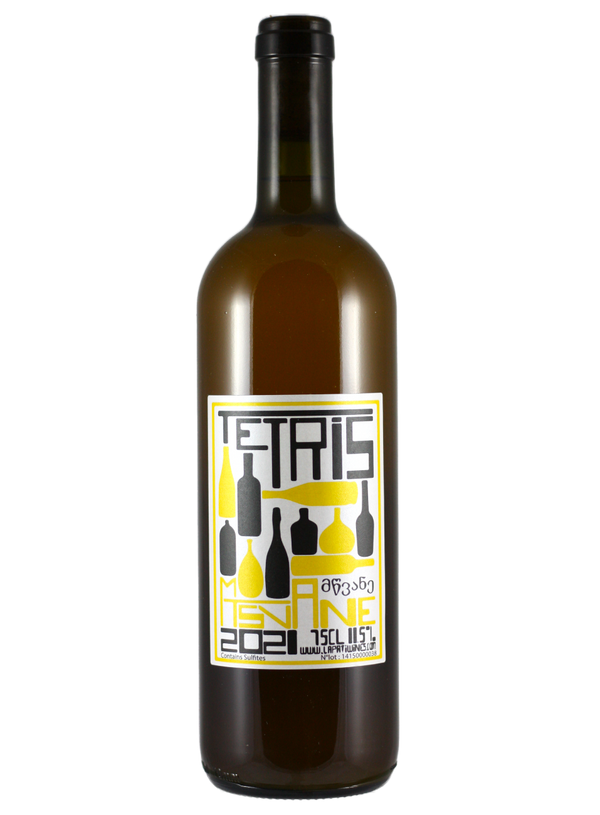
¡Nos hemos asociado con Naturwein-Georgien para ofrecerte más de 50 botellas de Vino Natural de Georgia! Los productores incluyen Lapati, Natenadze...
Leer más¡Más de 1150 Vinos Naturales!
💡 HAZ CLIC para ver nuestras ofertas de ENVÍO GRATIS! 💡
Entrega en la UE


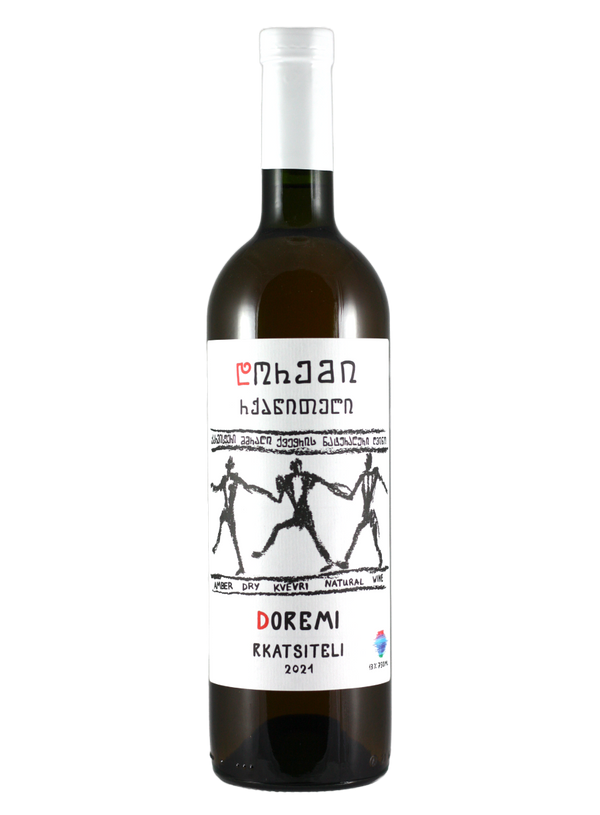
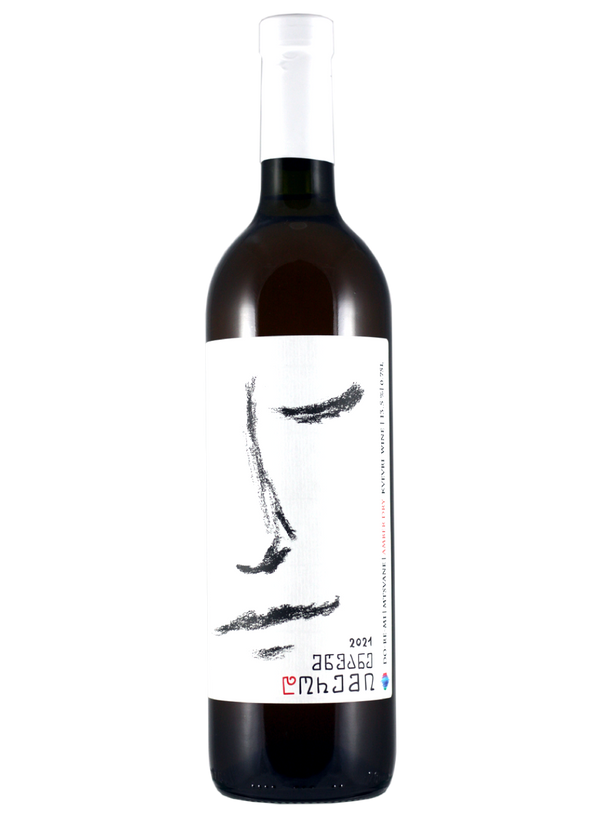


Tsolukouri georgiano occidental
Georgia has a strong claim to being the birthplace of wine. In 2017, scientists published evidence of wine residue in clay jars from two Neolithic villages, Gadachrili Gora and Shulaveris Gora, about 50 km south of Tbilisi, dating to around 6000 BC. It is the oldest known chemical evidence of grape wine in the Near East, and among the oldest anywhere.
Under Soviet rule from 1921 to 1991, Georgian wine was pushed into mass production of cheap, semi-sweet wine, mostly for Russia, and many native grapes were pulled up. The old ways survived in family cellars.
In the 2000s a small group of growers went back to qvevri, native grapes and nothing added: Soliko Tsaishvili and friends at Our Wine, Iago Bitarishvili with his Chinuri at Iago's Wine, Ramaz Nikoladze in Imereti, and Gela Patalishvili and John Wurdeman at Pheasant's Tears. When Russia banned Georgian wine in 2006, producers had to look for new markets, and the rest of the world started to discover them.
"In Georgia we never drink wine without food," as Eka Cox told Club Oenologique. At the heart of that is the supra, a feast whose name means "tablecloth". It can mark a wedding, a birthday, a baptism or a funeral, or simply welcome a guest, and the dishes keep coming until the host sees that everyone is full: khachapuri cheese bread, grilled meat with sour plum sauce, khinkali dumplings and much more.
The feast is led by the tamada, the toastmaster, who sets the pace with a long series of toasts: to God, to the hosts, to those who have passed, drawing on history, literature and philosophy. Guests add their own words to each toast, wine may be passed around in a khantsi, a drinking horn, and a good supra runs well into the night.
At the supra, wine isn't matched to one dish. Homemade amber wine is the most common choice because, as Eka Cox says, it "pairs with almost every Georgian dish". John Wurdeman of Pheasant's Tears explained to us in an Instagram video that amber wine is less a pairing than an elixir for the whole feast: a sounding board for every toast and every plate, from cheesy khachapuri to grilled meat and sour plum sauce.

¡¡¡PERFIL DE SABOR ÉPICO!!!! ¡Prueba esto!
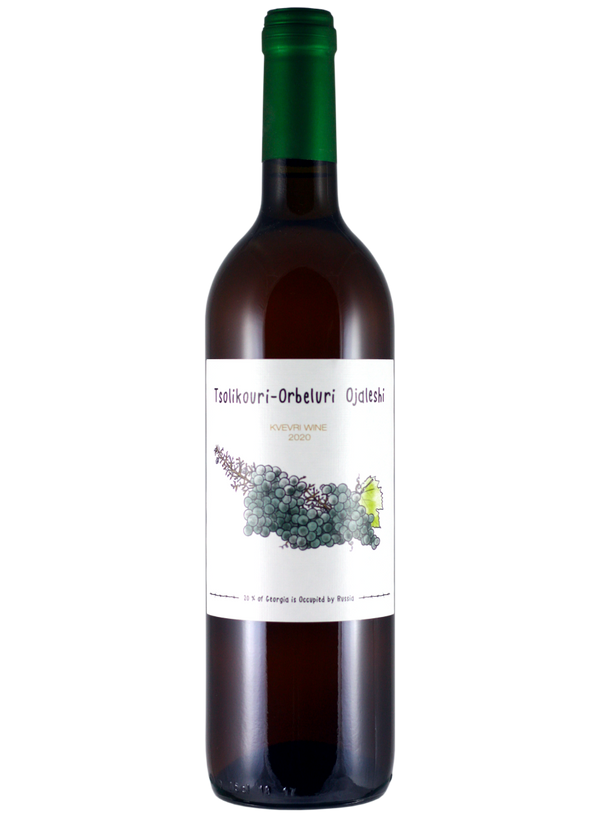
Lee sobre la etiqueta..
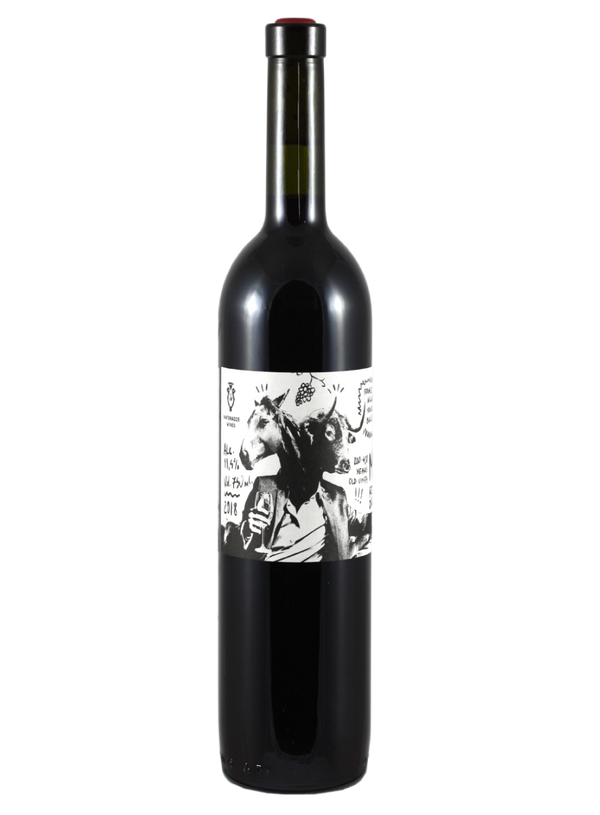
¡Tomado de la vid más antigua del mundo!
Around 525 grape varieties grow in Georgia, 62 of them approved for wine, on around 55,000 hectares of vineyards. The regions make very different wines, and the biggest split is between the east and the west.
Kakheti makes around three-quarters of all Georgian wine. The Kakhetian way is the most extreme: whites stay on their skins, and often their stems, for months, giving deep, savoury amber wines with firm tannins. The key grapes are Rkatsiteli, Georgia's most planted, plus Mtsvane, Kisi, Khikhvi and the inky red Saperavi.
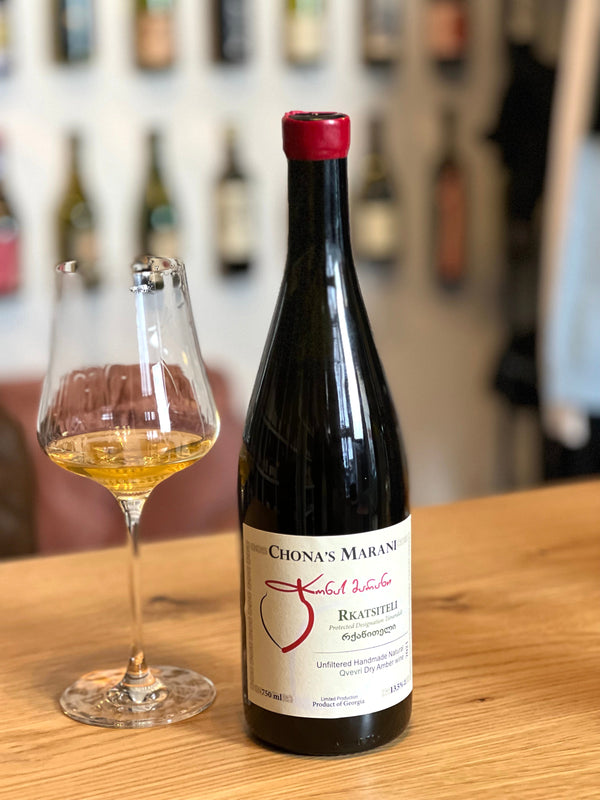
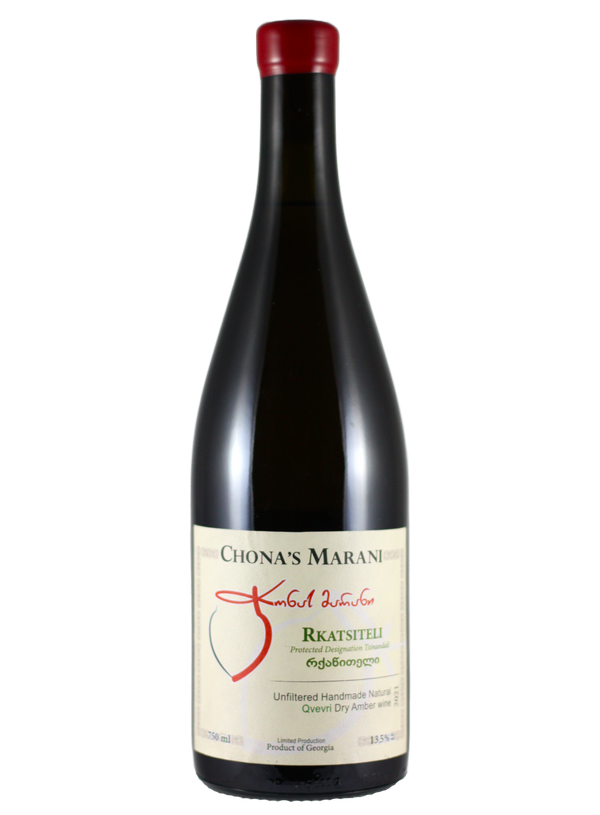
Our Kakheti producers include Pheasant's Tears in Sighnaghi, Chona's Marani, DoReMi, Gelovani Cellar, Jakeli, Lapati, Manavi and Tsikhelishvili.
Kartli, around Tbilisi, sits in between, in place and in style. The traditional Kartli white uses about a third of the skins, with stems. Chinuri and Goruli Mtsvane are the local whites, made by Iago's Wine, Samtavisi Marani, Ori Marani and Wine Artisans.
Imereti, towards the Black Sea, is gentler. Only around a tenth of the skins go in and no stems, often in smaller qvevri, so the wines are fresher and softer. Tsolikouri is the key grape here, often blended with Tsitska and Krakhuna. Look for Baia's Wine, Minadze and Nanua.
Further west, in Guria and Samegrelo, you find grapes rarely seen anywhere else, like Chkhaveri and Ojaleshi, from Dato's Wine, Iberieli, Oda Family Marani and Vino Martville.
Meskheti, in the far south on the Turkish border, is one of Georgia's highest wine regions, with vines at 900 to 1,700 metres on old stone terraces. After the Turkish invasion of 1578 its winemaking fell into a long decline, and it was almost forgotten.
A qvevri is a large, egg-shaped clay vessel, buried in the ground, used to ferment, age and store wine. They range from 20 litres to as much as 10,000 litres, with around 800 litres being typical.
Qvevri are made by hand from red clay, built up from the base a few layers at a time, with each layer left to dry before the next is added. Building one takes weeks to months, and it then dries for three to four weeks before being fired in a kiln for about a week. While it is still warm, the inside is coated with beeswax, which seals it and makes cleaning easier. The craft is passed down through families and village communities, and traditional qvevri villages include Shrosha, Makatubani and Chkhiroula in Imereti, and Vardisubani in Kakheti.
Buried with only the rim showing, the qvevri sits at the earth's steady temperature, so the wine ferments without any artificial temperature control. The egg shape is thought to help the fermenting wine circulate gently, while skins and pips slowly sink into the narrow base, so the wine above clarifies on its own. Fired clay lets in a tiny amount of oxygen, a little like a barrel, but without any wood flavour. A full qvevri can weigh several tonnes, and once it is in the ground it is never moved.
Traditionally, the pressed juice goes into the qvevri with its skins, stalks and pips, and the qvevri is sealed for five to six months. In Kakheti, the whites ferment with their skins, pips and often stems, then stay on them for several more months. That long maceration is what made eastern Georgia famous, and it gives Kakhetian amber wines their golden-amber colour, their texture and their tannin.
Amber wine is what the rest of the world calls orange wine. The pips, skins and stalks left after pressing are called chacha, which is also the name of the strong brandy distilled from them. In 2013, UNESCO added Georgian qvevri winemaking to its list of the Intangible Cultural Heritage of Humanity.
Compra una gran variedad de más de 1200 vinos naturales, ¡con opciones de envío gratuito también!
Confía en nosotros. ¡Hemos entregado más de 30.000 pedidos a amantes del vino natural! Todos los pedidos tienen entrega asegurada.
Mira documentales de productores, entrevistas y las mejores recomendaciones de vino en nuestras redes sociales.
¿Quieres consejo? ¡Nos encanta ayudar! Contacta con nosotros para recomendaciones personalizadas de vino.
Te dan vinos mediocres que a menudo son su stock que no se vende y no tienen nada que ver con tu estilo de vino. Vamos a cambiar eso.
Hemos creado un club con tres niveles, que está realmente curado e ideal para el tipo de bebedor de vino que eres.

Wine is fermented and aged in a qvevri, a large egg-shaped clay vessel buried in the ground. Juice, skins, stalks and pips usually go in together (depending on the region and grape) and the qvevri is sealed for either a short period or up five to six months, sometimes longer. Most notably known for Orange / Amber wine, but not only used for this but also white wine, rose wine and red wines too! The Qvevri allows the wine to be constantly moving with its shape, but also is kept at a constant temperature by being buried in the ground
It has a strong claim. Wine residue found in Neolithic jars south of Tbilisi dates to around 6000 BC, the oldest known chemical evidence of grape wine in the Near East.So many call it the birthplace of wine
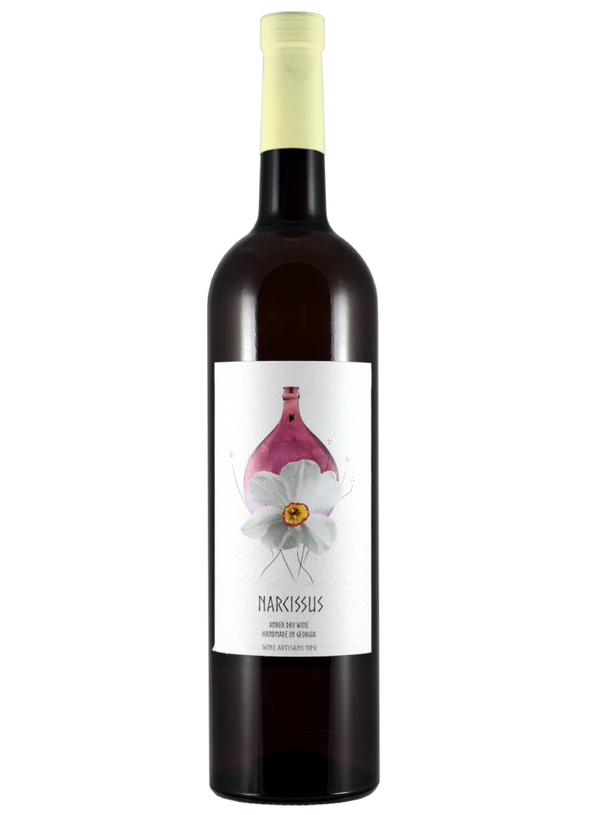
The Georgian name for white wine made with its skins, usually in qvevri. Elsewhere it is called orange wine. However, in Georgia, not all wine is orange coloured if called Amber, for example Chinuri in Kartli from Iago's Wine, or some mild macerations of Western grapes from Baia's wine are known to be called Amber, but drinkers might claim the colour is not so much and more like an off white
A Supra is a traditional Georgian feast. The name means "tablecloth", and it can mark anything from a wedding to a funeral or simply a guest arriving. It is often led by a Tamada toastmaker. The food varies from region to region, but often features different pastries, salty cheeses, dumplings, soups, Aubergine wrapped around walnut pastes and if in the east, BBQ pork kebaps.
The Tamada is the toastmaster who leads a supra, setting the pace of the feast with a long series of toasts. Often a male for traditional reasons and sometimes drinking from a cows horn, the Tamada is in charge of ensuring the night flows well and when a toast is made, is it customary to finish your glass. Toasts can be on a variety of topics to people, politcal ideals and topics of interest - so are different to a quick "cheers" as seen in the western world.
Kakheti in the east, Kartli in the centre, Imereti, Guria and Samegrelo in the west, and Meskheti in the far south (which before the Ottoman empire was a major vineyard region).
Kakhetian white grapes stay on their skins, often with stems, for months 3-6 being the norm, giving firm, tannic amber wines suited for the grapes there like Mtsvane, Rkatsiteli and Kisi. In Imereti, they adopt a lighter approach with white grapes like Tsitska and Tsolikour (but some producers do macerate for long times, despite not being the norm). Sometimes in Imereti, only around a tenth of the skins go in and no stems, making the wines are fresher and softer. However, it differs winemaker to winemaker
Around 525 varieties used to grow in Georgia, before the Ottoman Empire and Soviet Occupation reduced this be a vast amount. the Soviet Occupation for example favoured yield and quantity over diversity and quantity, and reduced the main grapes used to around 12. Because of this, today the best known are Rkatsiteli, Mtsvane, Kisi and Saperavi in Kakheti, Chinuri in Kartli and Tsolikouri & Tsitska in Imereti. However, producers like Giorgi Natenadze and other natural wine producers are bringing lost varieties back to life which were formally forgotten...
Ancient vines Giorgi Natenadze found growing up trees in the forests of Meskheti, some over 200 years old and one believed to be over 400 years old. He has found 40 rare varieties and identified 24 so far.
After making wine, the pips, skins and stalks of the grapes are left after pressing, and used to distilate into a clear, very strong Georgian brandy. ChaCha is common at Georgian dinners and Supras, and is usually stronger than vodka. In our personal experience... it is a potent drink to be very careful with!
¡Nos hemos asociado con Naturwein-Georgien para ofrecerte más de 50 botellas de Vino Natural de Georgia! Los productores incluyen Lapati, Natenadze...
Leer másOrange wine, a menudo conocido también como vino de contacto con piel o amber wine, es esencialmente un vino blanco que ha sido macerado con las p...
Leer más