


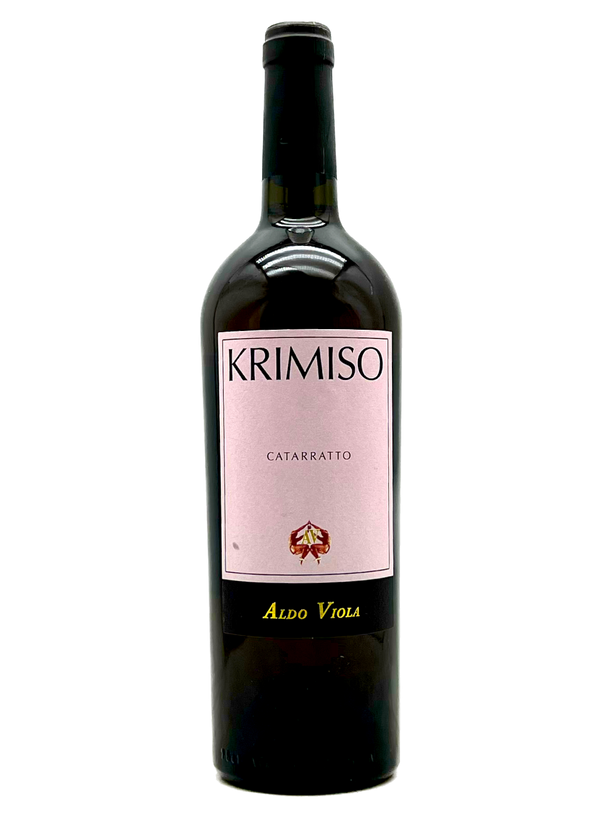


Müller Thurgau 2023 MAGNUM
Sven Enderle
GROSSE bouteille d’orange à siroter !


Edmund 2023 (One Per Order)
Gut Oggau
RARE ! Vignes sauvages et production limitée

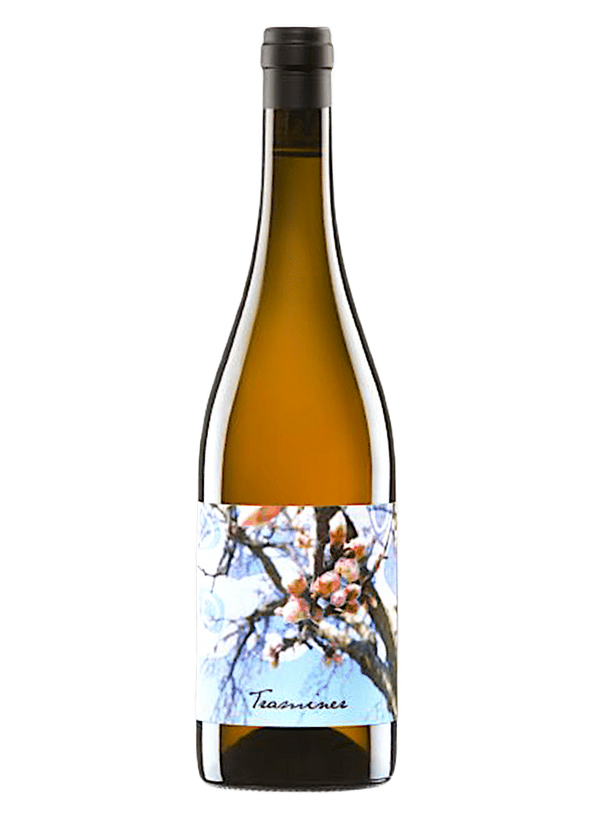


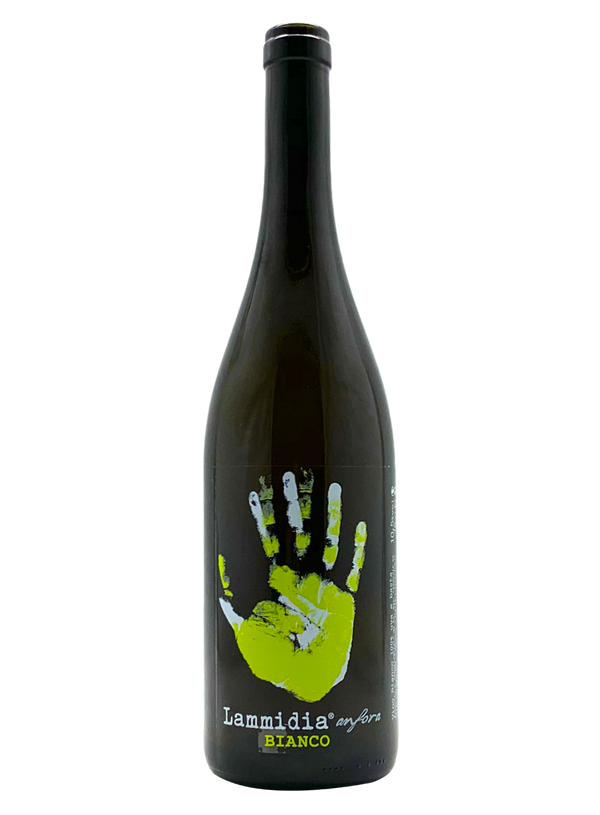

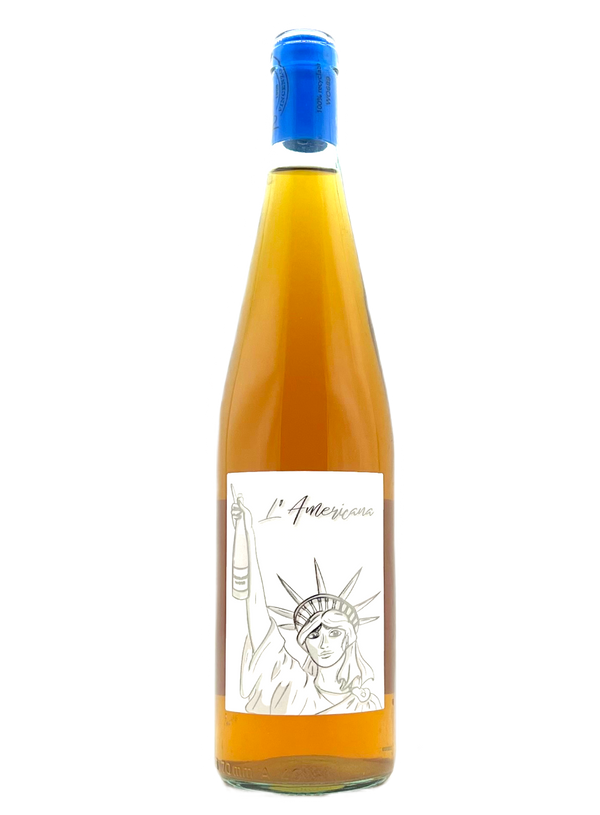


Three Views of a Secret 2023
Patrice Béguet
Orange Alsace Gewürz produit dans le Jura


Orange was the colour of her dress 2023
Domaine Hughes Beguet
Fruit de domaine, Savagnin macéré


Go Together Orange 2023
Patrice Béguet
Grenache Blanc, Vermentino, Viognier Orange !

Quel est le processus de production réel de l'orange wine ?
L'Orange wine commence de la même manière que le White wine. Les raisins blancs sont récoltés et écrasés. MAIS ensuite, tout change. Au lieu de presser immédiatement le jus des peaux, le vigneron laisse le jus reposer sur les peaux, les pépins et parfois les rafles. C'est la macération, ce qui signifie simplement trempage. Plus le trempage est long, plus le vin extrait de la saveur (et des tanins) des peaux.
Le temps est le levier principal. Certains producteurs macèrent pendant quelques jours, d'autres pendant quelques semaines, et les plus sérieux pendant des mois. Bien que cela dépende du raisin et de l'épaisseur de sa Skin, généralement un trempage de quatre jours donne un vin avec une teinte cuivrée douce et une prise souple. Six mois donnent quelque chose de profond, ambré, dense et vraiment tannique.
L'épaisseur de la Skin compte autant que le temps. Les raisins à peau épaisse contiennent plus de tanins, plus de couleur et plus de composés phénoliques, qui sont les substances chimiques qui donnent de la structure et cette touche amère et savoureuse. C'est pourquoi des raisins comme Ribolla Gialla, Malvasia et Pinot Grigio sont des favoris pour une structure sérieuse et une complexité. Ils peuvent supporter un long trempage sans se désintégrer. Les raisins à peau fine sont submergés.
Le récipient joue aussi un rôle. Les amphores en argile respirent et laissent entrer de petites quantités d'oxygène. L'acier et le vieux chêne donnent un résultat différent. Changez le temps, le raisin ou le récipient et vous changez complètement le vin.

Différents styles d'orange wine à travers le monde
L'orange wine n'est pas une chose unique. Son lieu et sa méthode de fabrication le transforment énormément.
La Géorgie est le berceau spirituel de l'orange wine, connu là-bas sous le nom d'Amber wine. Ils pratiquent cela depuis environ 8 000 ans. Les raisins sont placés dans un qvevri, une grande jarre en argile enterrée dans le sol, souvent avec les peaux, les pépins et les rafles ensemble. Le vin fermente et reste là pendant cinq ou six mois. Ce long contact donne à l'orange wine géorgien sa signature. Des tanins élevés, une vraie tenue, une couleur ambre profonde et un caractère savoureux, presque comme du thé. Ce sont les orange wines les plus structurés que vous trouverez.
Le Frioul, dans le nord-est de l'Italie, et la Slovénie voisine partagent une frontière et une tradition. C'est la région qui a remis l'orange wine sous les projecteurs modernes. Les collines du Collio et de Goriška Brda s'étendent sur les deux pays, et les producteurs des deux côtés fermentent les blancs sur leurs peaux, souvent en amphores. Le Ribolla Gialla est le cépage vedette ici.
L'Italie a aussi sa propre version plus douce appelée Ramato, qui signifie cuivré. C'est du Pinot Gris soumis à une courte macération sur peaux, de huit heures à quelques jours. Le résultat est rose à cuivre clair, frais et facile, plutôt que fortement tannique.
Plus au nord, l'Alsace et la République tchèque misent sur des cépages aromatiques. Gewürztraminer et Pinot Gris sont les variétés de référence dans les deux régions. Le contact avec les peaux amplifie leur parfum naturel, offrant des notes de litchi, de rose et d'épices avec une pointe acidulée.Quels producteurs de vin naturel sont célèbres pour leurs vins orange ?
Certains producteurs ont bâti toute leur réputation sur le orange wine. Voici les noms à connaître.
Radikon est l'icône. Stanko Radikon, travaillant en Frioul, a redécouvert la vieille méthode de son grand-père en 1995 et a commencé à fermenter la Ribolla Gialla avec ses peaux pendant une semaine. Depuis 2002, les vins sont élaborés sans ajout de soufre et avec un minimum de trois mois sur les peaux. Pour de nombreux critiques, ce sont tout simplement les meilleurs orange wines du monde. Denavolo, en Émilie-Romagne, est l'œuvre de Giulio Armani. Il macère sur les peaux pendant environ six mois en utilisant des levures sauvages. Les vins sont texturés, complexes et représentent une référence pour ce que le orange italien peut être. En France, La Sorga, c’est Antony Tortul. Énergique, expressif, sans ajout de sulfites, et l’un des fondateurs de la série culte Brutal de vins sans ajout. Matassa de Tom Lubbe, dans le Roussillon, évolue dans le même univers et contribue à cette même famille Brutal. Il en va de même pour Escoda Sanahuja en Catalogne, un véritable pionnier qui a aidé à fonder l’association des producteurs de vin naturel. Cependant, il n’est pas nécessaire de dépenser beaucoup pour boire un bon orange wine. De nombreux producteurs proposent des versions accessibles, et le Weisser Mulatschak de Meinklang est une excellente porte d’entrée. Facile, juteux, vraiment dans le style orange et à une fraction du prix des bouteilles cultes. Il prouve que ce style n’a pas besoin d’être rare ou cher pour être bon. C’est l’un de nos best-sellers de tous les temps pour cette raison précise.
Achetez une vaste gamme de plus de 1200 vins naturels - avec des options de livraison gratuite en plus !
Faites-nous confiance. Nous avons livré plus de 30.000 commandes à des amateurs de vin naturel ! Toutes les commandes sont livrées avec assurance.
Regardez des documentaires de producteurs, des interviews et des recommandations de vins sur nos canaux sociaux.
Vous souhaitez des conseils? Nous adorons aider ! Contactez-nous pour des recommandations de vins personnalisées.
LA PLUPART DES CLUBS DE VIN SONT DE LA MERDE.
Ils vous donnent des vins de merde qui sont souvent des stocks qui ne se vendent pas et qui n'ont rien à voir avec votre style de vin. Nous allons changer cela.
Nous avons créé un club à trois niveaux, qui est réellement conçu et idéal pour le type de buveur de vin que vous êtes.

FAQ sur les vins Orange
Quels sont les meilleurs cépages pour le vin orange
Cela fait bien sûr l'objet de débats, mais souvent les cépages floraux et aromatiques offrent la meilleure expérience avec les vins en contact avec la peau. Par exemple, Pinot Gris, Muscat, Malvasia et Gewürztraminer sont souvent utilisés. Bien qu'ils soient souvent employés pour produire des vins doux dans le monde du vin conventionnel, dans la scène du vin naturel, ils sont souvent élaborés en tant que vins orange secs.
Quel est le vin orange le meilleur rapport qualité-prix ou le moins cher ?
À notre humble avis, aucun vin orange sur le marché ne peut surpasser la qualité du Weisser Mulatschak de Meinklang. C'est aussi l'un des vins naturels les plus abordables. Vous pouvez le trouver ici sur la boutique ou chez votre revendeur local.
Est-ce que tout vin orange est considéré comme un vin naturel ?
Non. Et c'est quelque chose dont il faut se méfier. Si vous voyez un vin commercialisé comme vin orange dans un supermarché à un prix très bas, il se peut qu'il ne soit pas réellement un vin naturel. Les caves commerciales et les grands distributeurs ont reconnu la tendance des vins orange et essaient de la reproduire de manière à convenir à leur public et à offrir plus de stabilité. Ce n'est pas parce qu'un vin est orange qu'il est naturel. Cependant... votre premier réflexe devrait être de vous réjouir car il l'est très probablement, étant un style encore peu populaire dans le monde du vin conventionnel.
Le vin orange est-il fait à partir d'oranges ?
Non. Le terme vin orange est utilisé pour simplifier la différence entre les vins blancs et les vins en contact avec la peau, qui ont une couleur orange. Mais dans des régions comme la Géorgie, ils sont appelés vins ambrés. Il est malheureusement ironique que les vins en contact avec la peau puissent parfois avoir une légère saveur de fruit orange, ce qui ajoute à la confusion. Mais ils sont toujours faits à partir de raisins, comme la plupart des vins.
Où puis-je en apprendre davantage sur les vins orange ?
Découvrez le livre "Amber Revolution - How the World Came to Love Orange Wine" de Simon Woolf. C'est LE guide définitif sur les vins orange, et peut-être le SEUL livre entièrement consacré à ce sujet. À la fois histoire sociale captivante et introduction au vin orange, Amber Revolution raconte son histoire d'oppression, de lutte et de persévérance à travers les frontières mouvantes du Frioul et de la Slovénie, jusqu'au Caucase, en Géorgie et au-delà. Il inclut même un guide de plus de 220 producteurs recommandés dans 25 pays, ainsi que des conseils pour l'achat, l'accord mets-vins et la dégustation des vins orange.