


Vivanterre Orange 2022
Patrick Bouju
Strutturato Orange con un tocco di acidità!


Cuvee 2023
Lelle Ihr Wein!
COMPLESSO! Hai bisogno di questo Orange nella tua vita!


You Are Very Special 2025
Nature's Calling
Etichetta carina. Vino carino. Regalo carino

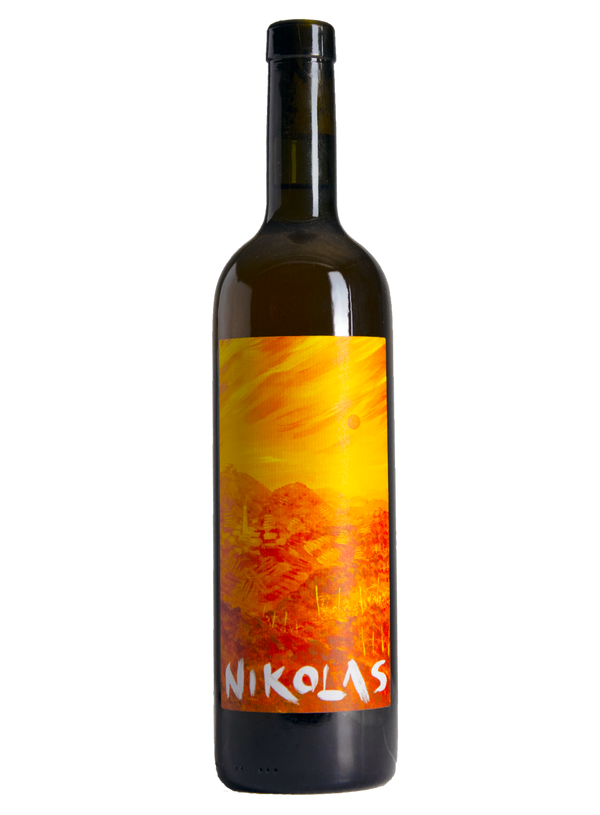
Grande Waldo 2022 (one per order)
Nikolas Juretic
Orange wine eccezionale!!!


Pinot Griso Ramato 2024
Sassara
Pinot Grigio Orange ideale a basso contenuto di acidità

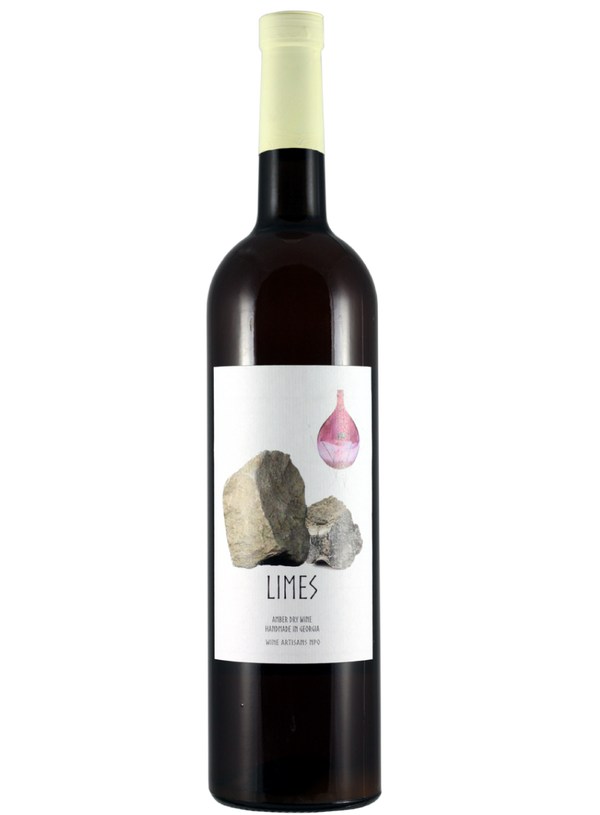


La Montagne Sacree 2023
La Sorga
Affumicato. Eucalipto. Scorza d'Orange. GUSTOSO!


FRANZ PLAYS ORANGE (Szürke, Fehér et Kék) 2024
Weninger
ARANCIO DI GRANDE VALORE! Provalo!

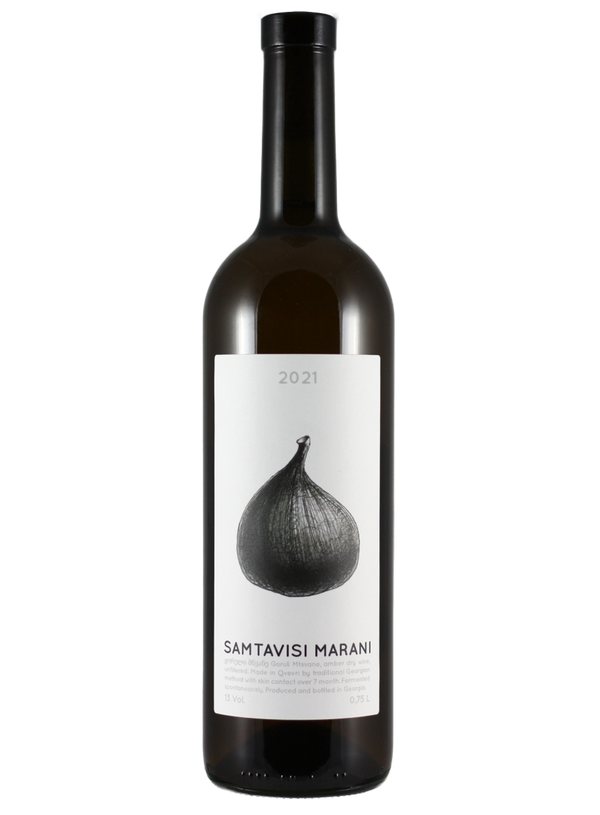


Aptemiz 2024 (RARE, 560 bottles!)
Clos Bateau
Beaujolais Chardonnay macerato per 10 mesi


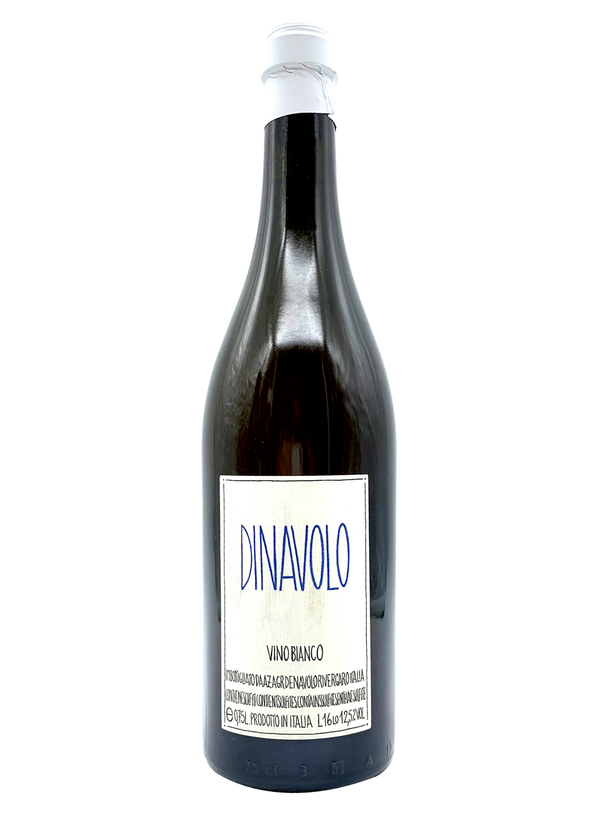


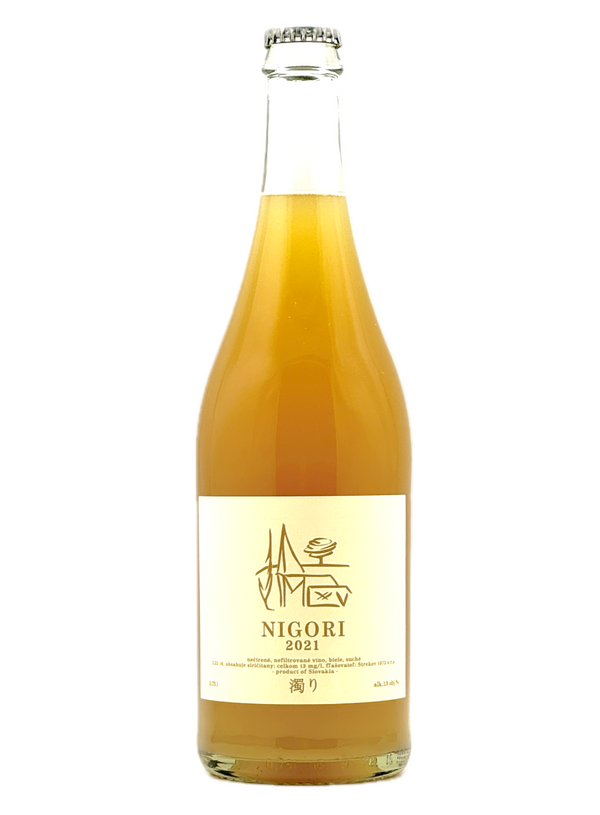
Nigori 2021 (ONE PER ORDER)
Strekov 1075
Petrolio. Crema. Limoni Conservati. FANTASTICO!


Qual è il processo di produzione effettivo dell'orange wine?
L'Orange wine inizia allo stesso modo del White wine. Le uve bianche vengono raccolte e schiacciate. MA poi tutto cambia. Invece di spremere subito il succo dalle Skin, il produttore lascia il succo a contatto con le Skin, i semi e talvolta i raspi. Questa è la macerazione, che significa semplicemente immersione. Più lunga è l'immersione, più il vino estrae sapore (e tannini) dalle Skin.
Il tempo è la leva principale. Alcuni produttori macerano per pochi giorni, altri per alcune settimane, e i più seri per mesi. Sebbene dipenda dall'uva e dallo spessore della sua Skin, generalmente un'immersione di quattro giorni dà un vino con una delicata tinta rame e una presa morbida. Sei mesi danno un vino ambrato intenso, corposo e con tannini ben definiti.
Lo spessore della Skin conta tanto quanto il tempo. Le uve con Skin più spessa contengono più tannini, più colore e più composti fenolici, che sono i componenti chimici che danno struttura e quel tocco amaro e saporito. Per questo uve come Ribolla Gialla, Malvasia e Pinot Grigio sono preferite per una struttura e complessità serie. Possono sopportare una lunga immersione senza disfarsi. Le uve con Skin sottile vengono sopraffatte.
Anche il contenitore gioca un ruolo. Le anfore di argilla respirano e lasciano entrare piccole quantità di ossigeno. L'acciaio e il vecchio rovere danno un risultato diverso. Cambiando il tempo, l'uva o il contenitore, si cambia completamente il vino.

Diversi stili di orange wine in tutto il mondo
L'orange wine non è una cosa sola. Dove viene prodotto e come, lo cambia enormemente.
La Georgia è la casa spirituale dell'orange wine, conosciuto lì come Amber wine. Lo producono da circa 8.000 anni. L'uva viene messa in un qvevri, un grande recipiente di argilla sepolto nel terreno, spesso con Skin, semi e raspi tutti insieme. Il vino fermenta e rimane lì per cinque o sei mesi. Questo lungo contatto conferisce all'orange wine georgiano la sua firma distintiva. Tannini elevati, vero grip, colore ambra profondo e un carattere saporito, quasi da tè. Questi sono gli orange wine più strutturati che troverai.
Il Friuli nel nord-est dell'Italia e la vicina Slovenia condividono un confine e una tradizione. Questa è la regione che ha riportato l'orange wine sotto i riflettori moderni. Le colline del Collio e del Goriška Brda si estendono su entrambi i paesi, e i produttori di entrambi i lati fermentano i vini bianchi sulle loro Skin, spesso in anfore. La Ribolla Gialla è l'uva protagonista qui.
L'Italia ha anche la sua versione più delicata chiamata Ramato, che significa color rame. È Pinot Grigio sottoposto a una breve macerazione sulle Skin, da otto ore a un paio di giorni. Il risultato è rosa o rame chiaro, fresco e facile da bere piuttosto che fortemente tannico.
Più a nord, l'Alsazia e la Repubblica Ceca puntano su uve aromatiche. Gewürztraminer e Pinot Gris sono le varietà preferite in entrambi i luoghi. Il contatto con le Skin amplifica il loro profumo naturale, donando note di litchi, rosa e spezie con un tocco acidulo.Quali produttori di vino naturale sono famosi per i vini arancioni?
Alcuni produttori hanno costruito tutta la loro reputazione sull'orange wine. Questi sono i nomi da conoscere.
Radikon è l'icona. Stanko Radikon, che lavora in Friuli, ha riscoperto il vecchio metodo di suo nonno nel 1995 e ha iniziato a fermentare la Ribolla Gialla sulle bucce per una settimana. Dal 2002 i vini sono prodotti senza aggiunta di zolfo e con un minimo di tre mesi sulle bucce. Per molti critici questi sono semplicemente i migliori orange wine al mondo. Denavolo, in Emilia Romagna, è il lavoro di Giulio Armani. Macera sulle bucce per circa sei mesi usando lieviti selvatici. I vini sono strutturati, complessi e un punto di riferimento per ciò che l'orange wine italiano può essere. In Francia, La Sorga è Antony Tortul. Energetico, espressivo, senza solfiti aggiunti, e uno dei fondatori della serie cult Brutal di vini senza aggiunte. Matassa di Tom Lubbe, nel Roussillon, appartiene allo stesso mondo e contribuisce alla stessa famiglia Brutal. Lo stesso vale per Escoda Sanahuja in Catalogna, un vero pioniere che ha contribuito a fondare l'associazione dei produttori di vino naturale. Non è però necessario spendere molto per bere un buon orange wine. Molti produttori realizzano versioni accessibili, e il Weisser Mulatschak di Meinklang è un punto d'ingresso brillante. Facile, succoso, davvero nello stile orange e a una frazione del prezzo delle bottiglie cult. Dimostra che lo stile non deve essere raro o costoso per essere buono. È uno dei nostri bestseller di sempre proprio per questo motivo.
Acquista un'ampia selezione di oltre 1200 vini naturali - con opzioni di spedizione gratuita!
Fidati di noi. Abbiamo consegnato oltre 30.000 ordini agli amanti del vino naturale! Tutti gli ordini sono assicurati.
Guarda documentari sui produttori, interviste e le migliori raccomandazioni di vini sui nostri canali social.
Vuoi un consiglio? Ci piace aiutare! Contattaci per raccomandazioni di vini personalizzate.
LA MAGGIOR PARTE DEI CLUB DEL VINO FA SCHIFO.
Ti propongono vini scadenti, spesso quelli che non riescono a vendere e che non hanno nulla a che fare con il tuo stile di vino. Noi cambieremo questa situazione.
Abbiamo creato un club con tre livelli, realmente curato e ideale per il tipo di bevitore di vino che sei.


Domande frequenti sui vini Orange
Quali sono le migliori uve per l'orange wine
Questo è ovviamente soggetto a dibattito, ma spesso le varietà di uve floreali e aromatiche offrono la migliore esperienza con i vini a contatto con le bucce. Ad esempio, Pinot Gris, Muscat, Malvasia e Gewürztraminer sono spesso utilizzati. Mentre nel mondo del vino convenzionale sono spesso usati per produrre vini dolci, nella scena del vino naturale questi vengono spesso realizzati come orange wine secchi.
Qual è il miglior orange wine in rapporto qualità-prezzo o il più economico?
A nostro modesto parere, non c'è orange wine sul mercato che possa superare in qualità il Weisser Mulatschak di Meinklang. È anche uno dei vini naturali più accessibili. Puoi trovarlo qui nel negozio o presso il tuo rivenditore locale.
Tutti gli orange wine sono considerati vini naturali?
No. E questo è qualcosa a cui prestare attenzione. Se vedi un vino commercializzato come orange wine in un supermercato commerciale a un prezzo molto basso, potrebbe non essere effettivamente un vino naturale. Le cantine commerciali e i grandi rivenditori hanno riconosciuto la tendenza degli orange wine e cercano di replicarla in modi che si adattino al loro pubblico e garantiscano maggiore stabilità. Solo perché un vino è orange, non significa che sia naturale. Tuttavia... il tuo primo istinto dovrebbe essere di gioire perché molto probabilmente lo è, essendo uno stile ancora poco popolare nel mondo del vino convenzionale.
L'orange wine è fatto con le arance?
No. Il termine orange wine viene usato per semplificare la differenza tra vini bianchi e vini a contatto con le bucce, che hanno un colore arancione. Ma in posti come la Georgia, sono conosciuti come vini Amber. È ironico che spesso i vini a contatto con le bucce possano avere un leggero sapore di frutta arancione, aggiungendo confusione. Ma sono sempre fatti con uve, proprio come la maggior parte dei vini.
Dove posso imparare di più sugli Orange Wines?
Dai un’occhiata al libro "Amber Revolution - How the World Came to Love Orange Wine" di Simon Woolf. Questa è LA guida definitiva agli orange wine, e forse l’UNICO libro interamente dedicato all’argomento. Parte storia sociale avvincente, parte introduzione all’orange wine, Amber Revolution intreccia il suo racconto di oppressione, lotta e perseveranza attraverso i confini mutevoli del Friuli e della Slovenia, fino al Caucaso, alla Georgia e oltre. Include anche una guida a oltre 220 produttori consigliati da 25 paesi, oltre a consigli per l’acquisto, l’abbinamento con il cibo e il godimento degli orange wine.